Pakistan's economy is hemorrhaging over a million dollars each day due to a controversial policy that has frozen all trade activity with Afghanistan through a key border crossing in Balochistan. The decision, aimed at pressuring the Taliban regime in Kabul, has backfired spectacularly, crippling local economies on both sides of the border and fueling a surge in illegal smuggling operations.
The Chaman Border Shutdown: A Costly Standoff
The heart of the crisis lies at the Chaman-Spin Boldak border crossing, one of the most significant trade arteries between the two nations. In a drastic move to compel the Afghan Taliban administration to engage diplomatically and address security concerns, Pakistani authorities suspended all commercial trade through this route. This policy has remained in effect for an extended period, with devastating financial consequences.
Official figures reveal the staggering scale of the loss. Pakistan is losing approximately $1 million in daily revenue from halted transit fees and trade taxes alone. This does not account for the broader economic damage to exporters, transporters, and thousands of families whose livelihoods depend on cross-border commerce. The border closure was implemented as part of a broader strategy that also includes the expulsion of undocumented Afghan refugees, a move that has further strained relations.

Smuggling Thrives as Legal Trade Collapses
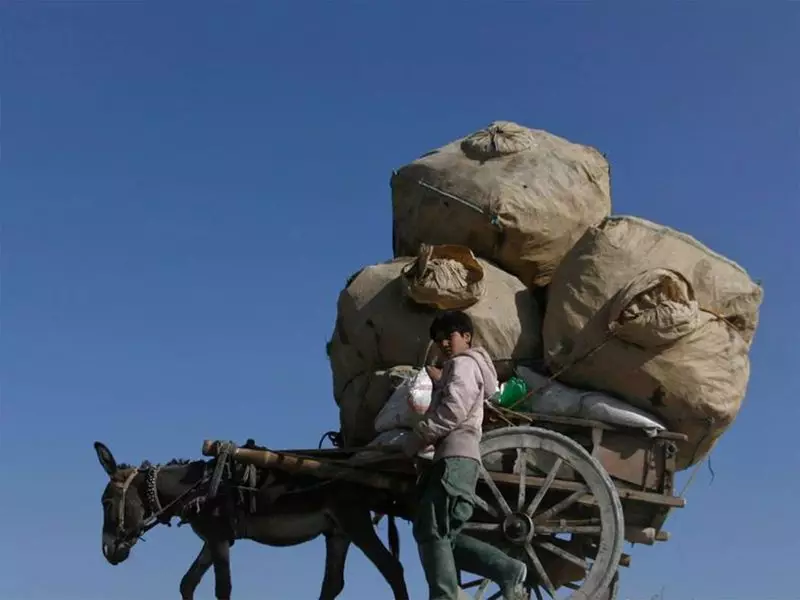
As legitimate trade ground to a halt, illicit networks have flourished. The vacuum created by the official closure has been swiftly filled by sophisticated smuggling operations. Reports indicate a dramatic increase in the illegal movement of goods, including:
- Essential food items and household goods.
- Vehicle parts and electronics.
- Fuel and other regulated commodities.
This black-market activity not only deprives the state of crucial revenue but also undermines local industries and poses significant security challenges. The situation starkly illustrates how heavy-handed border policies often empower the very criminal elements they seek to curb.
Broader Implications for Pakistan and Regional Stability
The frozen trade is more than a bilateral economic issue; it has severe repercussions for Pakistan's internal stability and its standing in the region. Balochistan, Pakistan's largest and most resource-rich province, has long been plagued by a simmering insurgency and complaints of economic neglect from the central government. This trade blockade exacerbates those grievances, pushing more young people toward unemployment and potentially into the arms of militant groups.
Furthermore, the policy has damaged Pakistan's reputation as a reliable transit country for regional trade. Landlocked Afghanistan relies on Pakistani ports and routes for access to global markets, and this disruption forces Kabul to seek alternatives, potentially through Iran or Central Asia. This could permanently reroute trade flows away from Pakistan, resulting in long-term strategic and economic loss.
The standoff highlights a critical failure in Pakistan's border management strategy. Instead of leveraging economic interdependence as a tool for diplomacy and stability, the closure has become a self-inflicted wound. It has harmed ordinary citizens, enriched smugglers, and deepened political tensions without achieving its stated diplomatic objectives with the Afghan Taliban. The situation calls for an urgent reassessment of policy, prioritizing regulated trade, security cooperation, and economic development in the border regions to stem the daily financial bleed and address the root causes of instability.