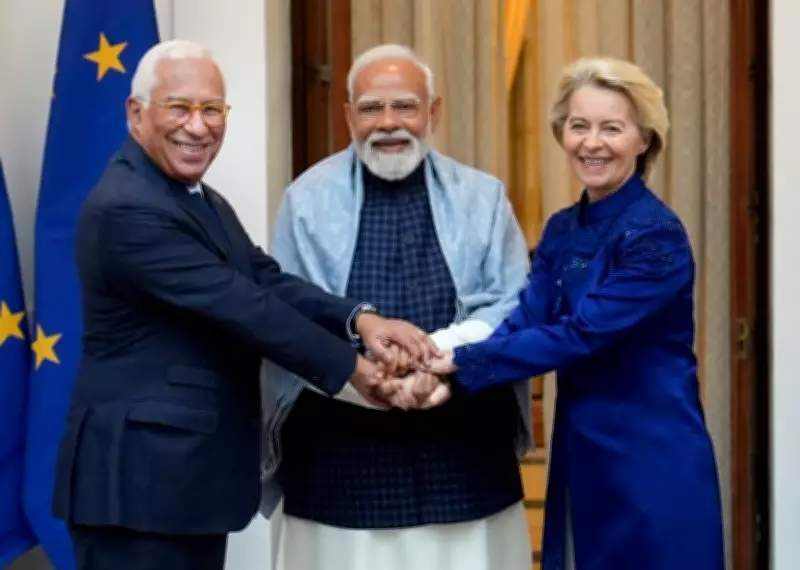
India-EU Trade Deals: Success Hinges on Mutual Flexibility and Compromise
The ongoing negotiations between India and the European Union for comprehensive trade agreements are at a critical juncture, with their success fundamentally dependent on mutual flexibility and a willingness to compromise from both sides. These deals, which aim to boost economic ties and create new opportunities, face significant hurdles that require careful navigation and strategic concessions.
Key Issues in the Negotiations
Several key issues are central to the India-EU trade talks, including tariffs, market access, and regulatory standards. The European Union is pushing for reduced tariffs on its exports to India, particularly in sectors like automobiles, wines, and dairy products. In return, India is seeking greater market access for its services and professionals in the EU, as well as concessions on agricultural products.
Mutual flexibility is essential to bridge these gaps. Both parties must demonstrate a readiness to adjust their positions and find middle ground. For instance, India might consider phased tariff reductions, while the EU could offer more liberal visa policies for Indian skilled workers. Without such compromises, the negotiations risk stalling, potentially delaying the economic benefits that these deals promise.

Economic and Strategic Implications
The success of these trade agreements holds immense economic and strategic importance for both India and the European Union. For India, enhanced trade with the EU could lead to increased exports, foreign investment, and job creation, supporting its growth ambitions. For the EU, deeper engagement with India offers access to a large and growing market, diversifying its trade partnerships amid global uncertainties.
However, achieving this success requires more than just economic incentives. It involves building trust and fostering a collaborative spirit. Both sides must prioritize long-term gains over short-term concessions, recognizing that a balanced deal will yield sustainable benefits. This approach aligns with broader geopolitical trends, where India and the EU are seeking to strengthen their partnership in areas like technology, climate change, and security.
Challenges and the Path Forward
Despite the potential rewards, the negotiations face challenges such as differing regulatory frameworks and domestic political pressures. India's protective measures in certain sectors and the EU's stringent standards on issues like data privacy and environmental norms add complexity to the talks.
- Addressing these challenges will require innovative solutions and a focus on mutual interests. For example, establishing joint committees to oversee implementation or creating phased agreements that allow for gradual adjustments could help overcome obstacles.
- Both sides should engage in continuous dialogue, leveraging diplomatic channels to build momentum and resolve disputes amicably. The involvement of stakeholders from industry and civil society can also provide valuable insights and foster broader support.
In conclusion, the India-EU trade deals represent a pivotal opportunity to enhance bilateral relations and drive economic growth. Their success hinges on mutual flexibility, with both parties needing to make strategic compromises. By focusing on shared goals and adopting a pragmatic approach, India and the European Union can finalize agreements that benefit their economies and strengthen their global partnership.