

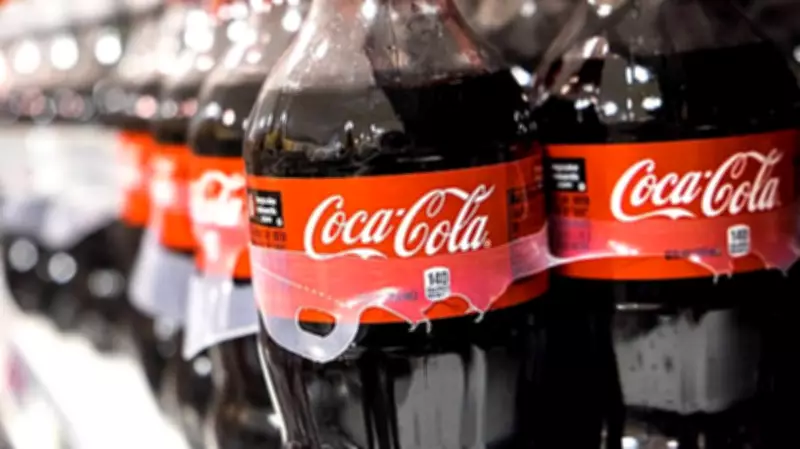
West Asia Conflict Threatens to Increase Coca-Cola Prices Due to Bottling Cost Surge
The ongoing conflict in West Asia is creating significant economic ripples, with the beverage industry facing a direct hit as bottling costs soar. This escalation is pushing up expenses for critical materials required in production, including plastic bottles, caps, labels, and cardboard boxes. Industry analysts warn that these rising costs could soon translate into higher prices for consumers, with Coca-Cola potentially being among the affected brands.
Impact on Packaging Materials and Supply Chain
The war is disrupting supply chains and increasing the prices of raw materials essential for packaging. Plastic, a key component for bottles, has seen a notable price hike due to supply constraints and heightened demand in the region. Similarly, costs for caps, labels, and cardboard boxes have surged, adding pressure on manufacturers' bottom lines. This trend is not isolated to carbonated drinks; some packaged water manufacturers have already implemented price increases in response to these mounting expenses.
The broader implications for the beverage sector are concerning, as companies may need to adjust their pricing strategies to maintain profitability. Coca-Cola, as a global leader, is closely monitoring the situation, with potential adjustments in its cost structure that could affect retail prices worldwide.

Market Reactions and Future Outlook
Market observers note that the conflict's impact extends beyond immediate material costs, influencing logistics and transportation fees as well. This compounded effect could lead to sustained price pressures in the coming months. Consumers might see gradual price hikes on shelves, particularly for products reliant on these packaging components.
In response, beverage companies are exploring alternatives, such as sourcing materials from other regions or investing in more cost-effective packaging solutions. However, these measures may take time to implement, leaving short-term vulnerabilities. The situation underscores the interconnectedness of global markets, where geopolitical tensions can swiftly affect everyday consumer goods.
As the conflict persists, stakeholders in the industry are urging for stability to mitigate further economic disruptions. For now, the focus remains on how companies like Coca-Cola will navigate these challenges without alienating price-sensitive customers.






