

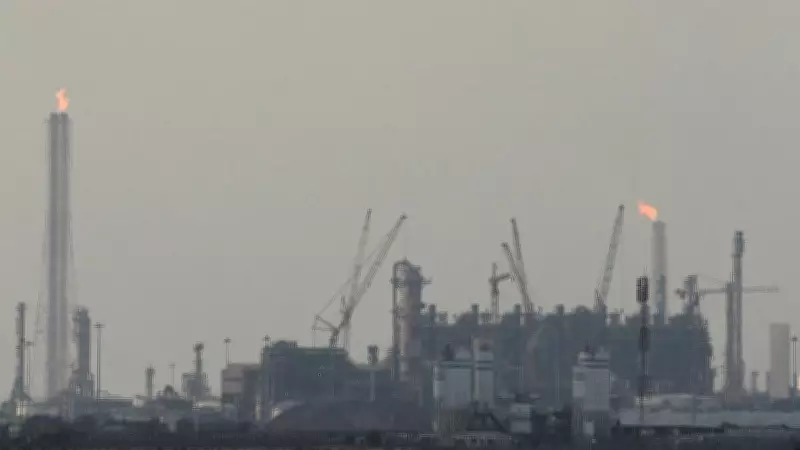
Qatar's Gas Infrastructure Damage Poses Long-Term Threat to Global Energy Markets
Recent damage to Qatar's critical gas infrastructure has sent shockwaves through the global energy sector, with experts warning that the repercussions could drive costs higher for consumers and industries worldwide for years to come. As a dominant player in the liquefied natural gas (LNG) market, Qatar's role in the global energy supply chain is pivotal, and any disruption to its operations has far-reaching consequences.
The Scale of Qatar's Global Gas Supply
Qatar, located in the Persian Gulf region of West Asia, is a linchpin in the world's natural gas exports. Similar to oil, gas exports from this strategic area supply approximately 20% of global demand, making it a crucial component of the international energy landscape. This substantial share underscores Qatar's influence on pricing and availability across continents, from Europe to Asia.
The significance of this supply cannot be overstated, as many nations rely on Qatari LNG to meet their energy needs, particularly for electricity generation, heating, and industrial processes. Any sustained damage to Qatar's infrastructure could therefore create a supply gap that is difficult to fill quickly, leading to prolonged market tightness.

Why Gas Differs from Crude Oil in Impact
Gas, primarily composed of methane, is fundamentally different from crude oil in several key aspects that amplify the potential for long-term cost increases. Unlike oil, which has a more diversified global production base and can be transported relatively easily via tankers, LNG requires specialized infrastructure for liquefaction, shipping, and regasification.
- Infrastructure Complexity: Qatar's gas facilities involve intricate networks of pipelines, liquefaction plants, and export terminals. Damage to these components can take years to repair fully, unlike oil fields that might resume production more quickly.
- Supply Chain Rigidity: The LNG supply chain is less flexible than oil's, with fewer alternative suppliers capable of ramping up output rapidly to offset losses from Qatar.
- Market Dynamics: Gas markets are often regionalized, with prices influenced by local supply-demand imbalances. A disruption in Qatar could spike prices in Asia and Europe simultaneously, creating a cascading effect on global energy costs.
These factors mean that even temporary damage to Qatar's gas infrastructure could have enduring effects, as the market struggles to adapt to reduced supply over an extended period.
Potential Long-Term Consequences for Global Energy Costs
The aftermath of infrastructure damage in Qatar is likely to manifest in several ways that push costs higher for years. Firstly, increased competition for alternative gas sources could drive up prices globally, as buyers scramble to secure contracts from other producers like the United States or Australia. This bidding war may lead to sustained higher benchmark prices for LNG.
Secondly, the uncertainty surrounding Qatar's production capacity could deter investment in new gas projects elsewhere, as investors become wary of market volatility. This could slow the development of additional supply, exacerbating the shortage and keeping costs elevated.
Lastly, higher gas costs could trickle down to consumers through increased electricity bills, heating expenses, and the cost of goods produced with gas-intensive processes. Industries such as manufacturing and agriculture may face rising operational costs, potentially leading to inflationary pressures in various economies.
In summary, the damage to Qatar's gas infrastructure represents more than a short-term blip; it threatens to reshape global energy economics for the foreseeable future. Stakeholders from governments to businesses must prepare for a scenario where gas remains a costly commodity, driven by the unique challenges of methane-based fuel supply and Qatar's outsized role in the market.






