Soaring Fuel Costs in Pakistan Burden Students and Low-Income Households
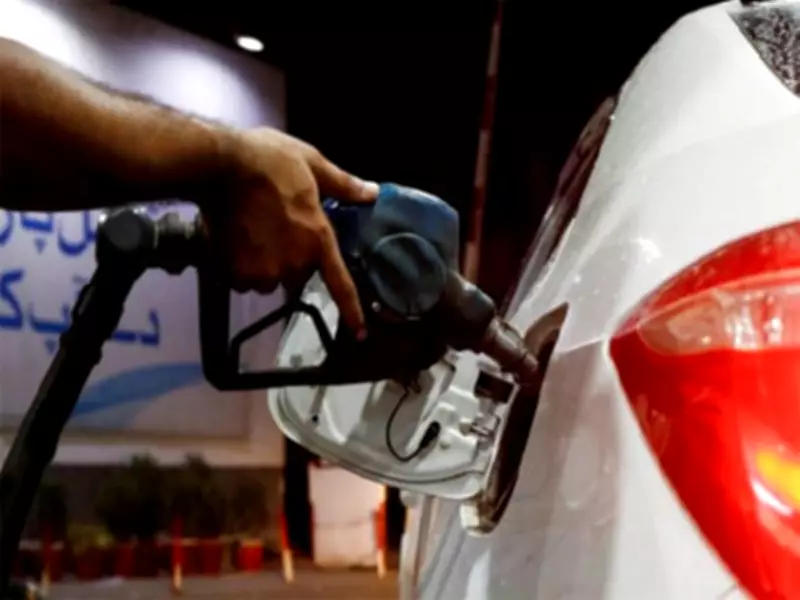
In Pakistan, a sharp increase in petrol prices is creating significant hardships for students and impoverished communities, exacerbating existing economic challenges. The rising costs are forcing many to make difficult choices between education and basic necessities, highlighting the broader impact of fuel inflation on vulnerable populations.
Impact on Students and Educational Access
Students across Pakistan are facing severe disruptions due to the petrol price hike. Many rely on public transportation or private vehicles to commute to schools and universities, and the increased fuel costs have made these journeys unaffordable. As a result, attendance rates are dropping, and some students are being forced to abandon their education altogether. This trend threatens to undermine educational outcomes and future opportunities for the youth.
Financial Strain on Low-Income Families

Low-income households are bearing the brunt of the petrol price surge. With limited financial resources, families are struggling to cover transportation expenses for work, school, and daily errands. The ripple effects include reduced spending on food, healthcare, and other essentials, pushing many deeper into poverty. The situation is particularly dire in rural areas, where access to affordable alternatives is scarce.
Broader Economic Implications
The petrol price increase is part of a larger economic crisis in Pakistan, characterized by inflation and currency devaluation. This has led to higher costs for goods and services across the board, further squeezing household budgets. Experts warn that without intervention, the situation could worsen, affecting social stability and economic growth.
Government Response and Public Outcry
In response to the crisis, the Pakistani government has faced criticism for its handling of fuel subsidies and economic policies. Public protests have erupted in several cities, with citizens demanding relief from the soaring prices. However, officials cite global market trends and fiscal constraints as reasons for the hikes, leaving many feeling helpless.
Potential Solutions and Future Outlook
- Implementing targeted subsidies for students and low-income groups to offset transportation costs.
- Promoting alternative energy sources and public transportation improvements to reduce reliance on petrol.
- Enhancing social safety nets to protect vulnerable populations from economic shocks.
As Pakistan grapples with these challenges, the need for sustainable economic reforms becomes increasingly urgent to support its citizens and ensure long-term stability.