

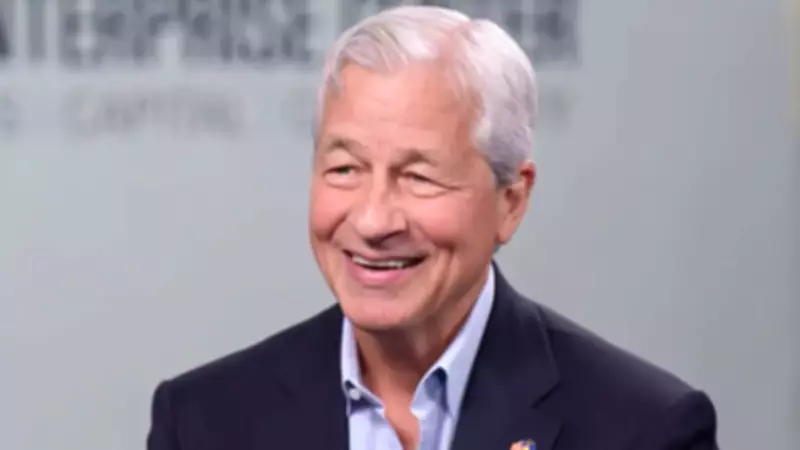
JPMorgan CEO Jamie Dimon Issues Stark Warning on Iran War's Economic Impact
JPMorgan Chase CEO Jamie Dimon has delivered a sobering assessment of global economic risks, highlighting how the ongoing war in Iran could have far-reaching consequences for markets and consumers worldwide. In his annual letter to shareholders, the veteran banking executive cautioned that geopolitical tensions in the Middle East threaten to disrupt oil supplies and commodity markets.
Oil and Commodity Price Shocks Loom Large
Dimon specifically pointed to the potential for "significant ongoing oil and commodity price shocks" stemming from the conflict in Iran. He warned that such disruptions could reshape global supply chains, leading to stickier inflation that persists longer than anticipated. This scenario, he argued, might ultimately force central banks to maintain higher interest rates than financial markets are currently pricing in.
The timing of Dimon's warning is particularly noteworthy, coming just one day after former US President Donald Trump escalated rhetoric against Tehran. Trump threatened strikes on Iranian infrastructure targets if Iran does not reopen the strategic Strait of Hormuz, a critical chokepoint for global oil shipments.

Broader Geopolitical Landscape Compounds Risks
Dimon placed the Iran conflict within a wider context of global instability, citing multiple overlapping threats to economic stability. "The challenges we all face are significant," he wrote, pointing to the continuing war in Ukraine, broader Middle East instability, and rising tensions with China as compounding factors that together create a volatile international environment.
"Our hearts go out to those whose lives are profoundly affected by these crises," Dimon expressed with empathy. "We sincerely hope these global conflicts are properly resolved and that one day all of Europe and the Middle East will attain long-term stability and prosperity."
Nuclear Proliferation Remains Gravest Long-Term Threat
On the specific subject of Iran, Dimon offered a nuanced perspective. While acknowledging that time will reveal whether the war achieves its stated objectives, he emphasized that nuclear proliferation represents the most serious long-term danger emerging from the Iranian conflict.
"We should not turn a blind eye to the role the current regime in Iran has played in fostering terrorism and killing thousands of people, including Americans and many of its own citizens, over many years," Dimon stated. He stressed that this threat "must be addressed in an appropriate manner" by those with proper intelligence and expertise, particularly if Iran ever develops nuclear ballistic missile capabilities.
Dimon underscored the gravity of this concern by declaring that "nuclear proliferation remains the gravest threat to the future of mankind."
Direct Implications for Consumers and Businesses
The banking executive made clear that these geopolitical developments have tangible consequences for everyday financial decisions. For anyone with a mortgage, personal loan, or savings tied to interest rates, Dimon's warning carries particular weight.
He explained that if oil prices climb further due to Middle East disruptions, central banks worldwide may find themselves compelled to keep interest rates elevated for longer periods than currently expected. Some might even consider raising rates further to combat inflationary pressures.
This prospect creates discomfort for multiple groups:
- Homeowners with variable rate mortgages
- Borrowers relying on affordable credit
- Businesses dependent on cheap financing for operations and expansion
Balanced Assessment of Current Economic Conditions
Despite these significant warnings, Dimon offered a measured perspective on the present state of the American economy. He noted that consumers continue to earn and spend at reasonable levels, while businesses generally remain in good health—though he acknowledged some recent softening in certain sectors.
This balanced approach reflects Dimon's decades of experience navigating economic cycles and geopolitical uncertainties. His letter serves as both a cautionary note about emerging risks and a reminder of the underlying resilience in major economies.

The comprehensive warning from one of Wall Street's most influential voices underscores how geopolitical events in distant regions can ripple through global markets, affecting everything from gas prices to mortgage rates for consumers around the world.





