

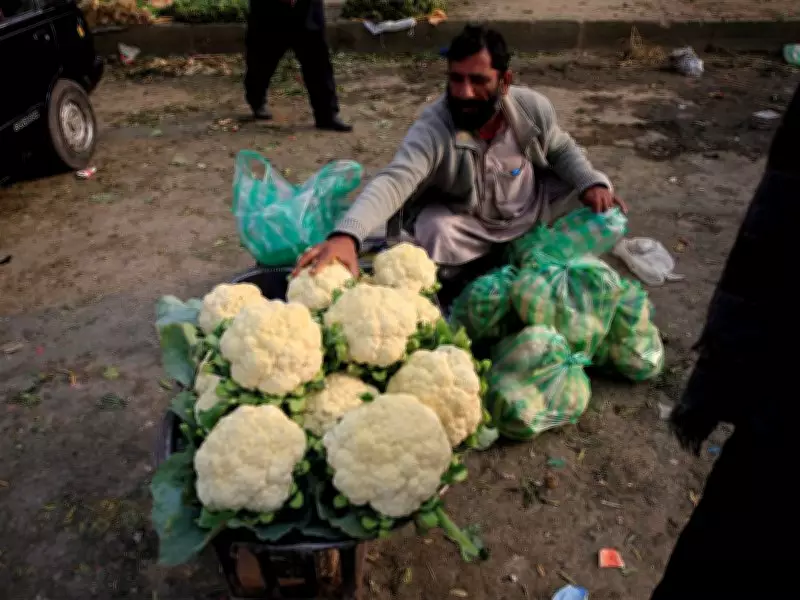
Pakistan's Outdated Mandi System Stifles Agricultural Innovation
Pakistan's agricultural sector, a cornerstone of its economy, is being severely hampered by an antiquated and inefficient mandi system. This traditional marketplace model, designed decades ago, is now a significant barrier to innovation, productivity, and farmer prosperity in the country.
Inefficiencies and Middlemen Dominate the System
The current mandi system is characterized by a complex web of intermediaries, including commission agents and wholesalers, who control the flow of agricultural produce from farms to consumers. This structure often results in:
- Substantial price disparities between what farmers receive and what end consumers pay.
- Limited transparency in pricing and transactions, leaving farmers vulnerable to exploitation.
- Delays in payments to farmers, exacerbating financial instability in rural communities.
These inefficiencies not only reduce farmers' incomes but also discourage investment in modern farming techniques and technologies.

Impact on Agricultural Innovation and Productivity
The outdated mandi system stifles innovation by creating a disincentive for farmers to adopt new methods. With profits being squeezed by middlemen, there is little financial motivation to invest in:
- High-yield crop varieties that could boost production.
- Precision agriculture tools like drones or sensors for better resource management.
- Sustainable practices that enhance soil health and reduce environmental impact.
As a result, Pakistan's agricultural productivity lags behind global benchmarks, limiting its potential to contribute more significantly to the national economy and food security.
Calls for Reform and Modernization
Experts and stakeholders are urging the Pakistani government to overhaul the mandi system to foster a more competitive and innovative agricultural landscape. Proposed reforms include:
- Digitizing market operations to improve transparency and reduce corruption.
- Establishing direct farmer-to-buyer channels to minimize the role of intermediaries.
- Implementing regulatory changes that encourage private sector investment in agricultural infrastructure.
Such measures could empower farmers, enhance efficiency, and stimulate the adoption of cutting-edge agricultural technologies.
In conclusion, Pakistan's reliance on an outdated mandi system is a critical obstacle to agricultural advancement. Without comprehensive reforms, the sector risks continued stagnation, undermining both farmer livelihoods and the country's economic growth prospects.






