

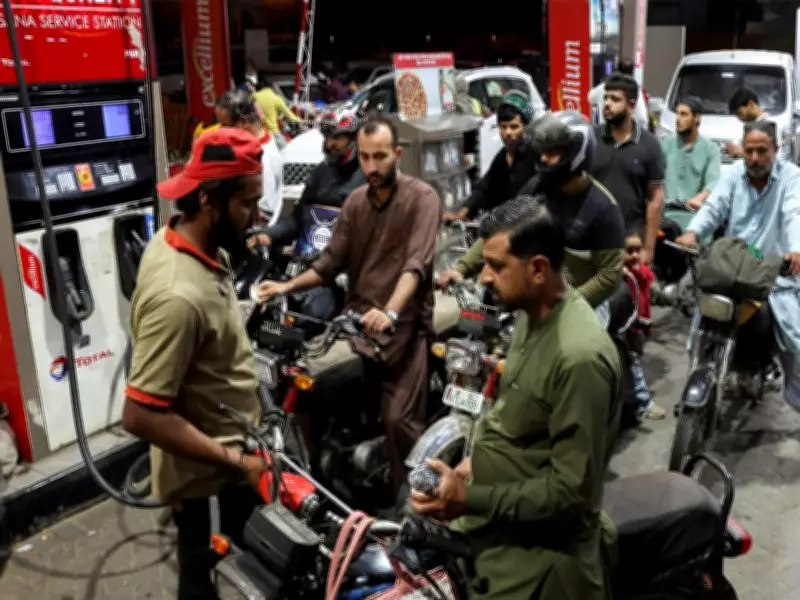
Pakistan's Monthly Oil Import Bill Could Surge to $600 Million, Warns Finance Minister
Pakistan's Finance Minister has issued a stark warning that the country's monthly oil import bill could escalate dramatically to $600 million. This alarming projection comes amid rising global oil prices and mounting economic pressures on the South Asian nation.
Economic Strain from Global Oil Price Hikes
The minister highlighted that the surge in international crude oil prices is the primary driver behind this potential spike in import costs. Pakistan, which relies heavily on imported oil to meet its energy needs, is particularly vulnerable to such fluctuations in the global market. The projected $600 million monthly bill represents a significant increase from current levels, posing a severe challenge to the country's already fragile economy.
Impact on Foreign Exchange Reserves and Budget
This sharp rise in oil import expenses is expected to put immense pressure on Pakistan's foreign exchange reserves. The country has been grappling with dwindling forex reserves, and a higher oil bill could exacerbate this crisis, potentially leading to further currency devaluation and inflationary pressures. The finance minister emphasized that this development necessitates urgent fiscal adjustments and policy interventions to mitigate the economic fallout.

- Global supply chain disruptions and geopolitical tensions driving up oil prices.
- Pakistan's heavy dependence on imported petroleum products for energy and transportation.
- Insufficient domestic oil production to offset import demands.
- Economic vulnerabilities, including high inflation and a large trade deficit.
Government Response and Future Outlook
In response to this looming crisis, the finance minister indicated that the government is exploring various measures to cushion the impact. These may include seeking alternative energy sources, negotiating favorable import terms, and implementing austerity measures to reduce overall energy consumption. However, the minister cautioned that without a significant drop in global oil prices or a boost in domestic production, Pakistan's economy faces a tough road ahead.






