

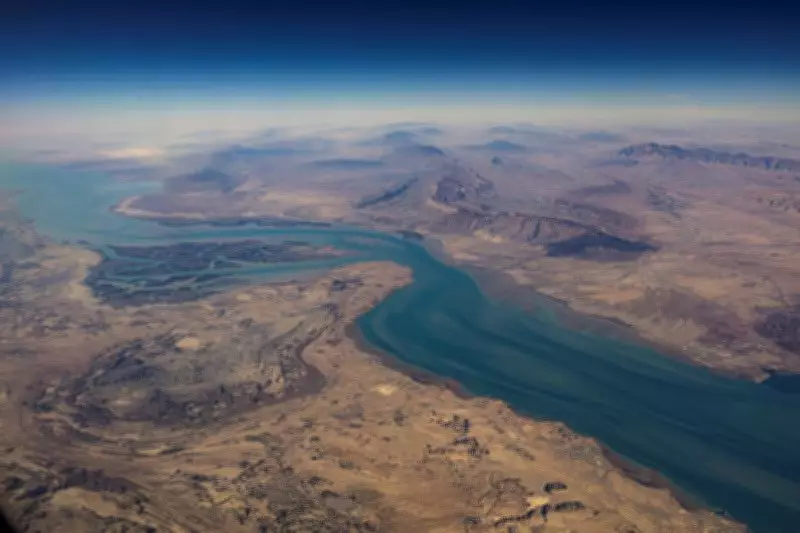
Global Oil and Gas Prices Surge Amid Iran Crisis Disrupting Shipping and Production
Global energy markets are experiencing significant turbulence as oil and gas prices have surged sharply in response to the escalating crisis in Iran. This geopolitical unrest is causing major disruptions to both shipping routes and production facilities, leading to widespread concerns about supply stability and economic impacts across the globe.
Disruptions to Key Shipping Routes
The crisis in Iran has severely affected vital maritime corridors, particularly in the Strait of Hormuz, a critical chokepoint for global oil shipments. Reports indicate that shipping activities have been hampered due to heightened security risks and operational challenges. This disruption is limiting the flow of crude oil and natural gas from the Middle East to international markets, contributing to the price spikes observed in recent trading sessions.
Impact on Production Facilities
In addition to shipping issues, the unrest has also impacted oil and gas production within Iran and neighboring regions. Several production facilities have faced operational halts or reduced output due to safety concerns and logistical hurdles. This reduction in supply is exacerbating the market tightness, as global demand for energy remains robust, further driving up prices.

Market Reactions and Economic Implications
The surge in oil and gas prices is having immediate effects on global economies. Consumers are facing higher fuel costs, which could lead to increased inflation and slower economic growth in many countries. Energy-dependent industries, such as transportation and manufacturing, are particularly vulnerable to these price hikes, potentially affecting their profitability and operational efficiency.
Analysts warn that if the crisis persists, it could lead to prolonged volatility in energy markets, with long-term consequences for global trade and economic stability.Market analysts are closely monitoring the situation, noting that the price increases reflect heightened uncertainty and risk premiums. The ongoing disruptions underscore the fragility of global energy supply chains and the need for diversified energy sources to mitigate such geopolitical risks.
Global Response and Future Outlook
In response to the crisis, international bodies and major oil-consuming nations are assessing their strategic reserves and exploring alternative supply options. Efforts are underway to stabilize markets through diplomatic channels and contingency planning. However, the resolution of the Iran crisis remains uncertain, leaving energy markets on edge.
The situation highlights the interconnected nature of global energy markets and the significant impact that regional conflicts can have on worldwide economic conditions.As the crisis evolves, stakeholders are urged to stay informed and adapt to the changing landscape, with a focus on enhancing energy security and resilience against future disruptions.






