Iran's Economy Plunges into Crisis as Blockade Halts All Imports
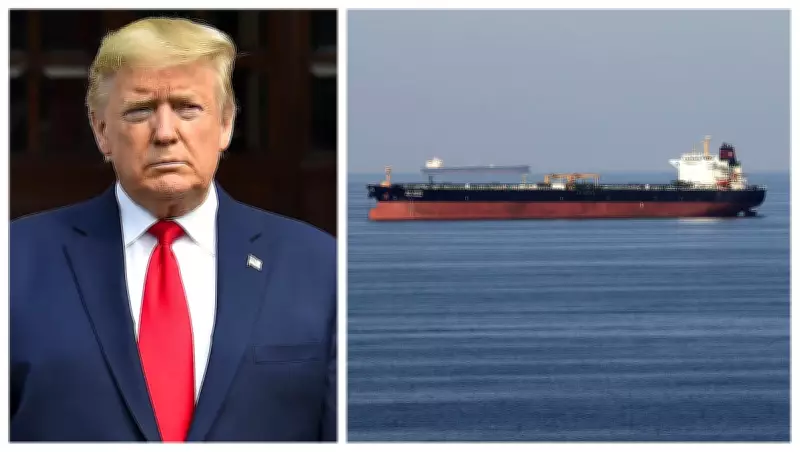
A severe blockade has brought Iran's imports to a complete standstill, effectively reducing them to zero. This drastic situation stems from the country's inability to generate cash from its crucial oil exports, which are now completely blocked. Without this vital revenue stream, Iran lacks the financial resources to pay for any foreign goods or services, crippling its trade and economic stability.
Currency Devaluation and Hyperinflation Spiral
The immediate consequence of this import collapse is a devastating devaluation of Iran's currency. The Iranian rial has entered a sharp downward spiral, losing value at an alarming rate as confidence in the economy evaporates. This currency crisis has, in turn, triggered hyperinflation within the country. Prices for basic goods and services are skyrocketing uncontrollably, placing immense strain on the Iranian population and businesses, with the economic framework teetering on the brink of collapse.
Analysis of the Blockade's Impact: Pros and Cons
Economic analysts are actively debating the broader implications of this blockade. While there are identifiable pros and cons to such a severe economic measure, current assessments suggest that the pros significantly dominate the cons from the perspective of the enforcing entities. The primary advantage is the effective containment and pressure applied on Iran's regime by crippling its financial lifeline. However, this comes at the dire cost of humanitarian suffering and economic devastation within Iran.

Global Repercussions and Warnings
The crisis is not confined to Iran's borders. International experts, including economist Robin Brooks, have issued stark warnings about the global fallout. Brooks highlighted the situation on social media, pointing to the current favorable "pump figures" for fuel. He cautioned that due to the so-called 'blockade', consumers might soon feel nostalgic for gasoline prices in the $4 to $5 per gallon range, implying a significant surge is imminent as global oil markets react to the disruption.
Further commentary emerged from Iranian political figure Mohammad Bagher Ghalibaf, who posted a cryptic economic equation (ΔO_BSOH>0 ⇒ f(f(O))>f(O)) alongside a similar warning. This underscores the internal recognition of the profound and potentially irreversible economic damage being inflicted, suggesting complex inflationary feedback loops are now in motion.
In summary, the blockade on Iran has precipitated a full-scale economic emergency. The complete halt of imports, driven by a cash shortage from blocked oil sales, has launched the national currency into a devaluation spiral and the economy into hyperinflation. While strategic benefits may exist for those enforcing the blockade, the immediate human and economic cost within Iran is catastrophic, with clear signals of impending global energy market disruptions and higher fuel prices worldwide.