

Explained: How the Iran War Has Rippled Across Global Markets
Global financial markets have plunged into a state of significant turmoil since the conflict in the Middle East erupted 10 days ago. This escalating situation has driven oil prices sharply above the critical threshold of $100 per barrel, creating widespread economic repercussions that are being felt across continents. The rapid developments in the region have triggered a cascade of effects, shaking investor confidence and altering market dynamics in profound ways.
Immediate Impact on Oil and Energy Markets
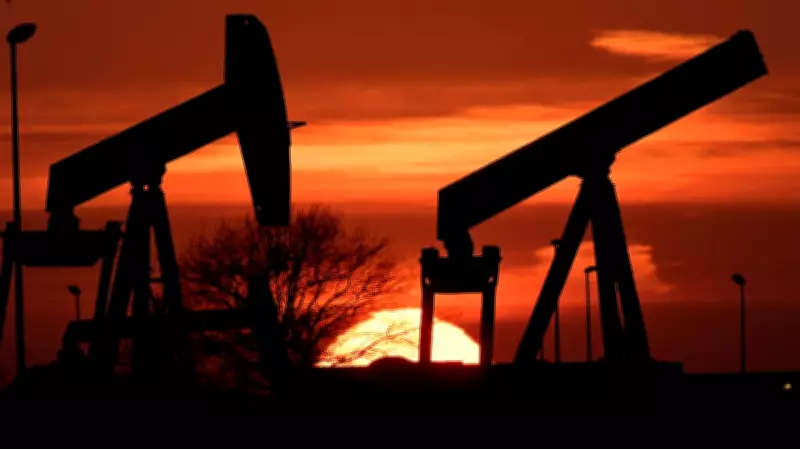
The most direct and visible consequence of the Iran conflict has been the surge in oil prices. As tensions mount, global benchmark crude prices have skyrocketed, breaching the $100 per barrel mark. This spike is primarily due to concerns over potential disruptions in oil supply from the Middle East, a region that accounts for a substantial portion of the world's petroleum exports. The volatility in energy markets has led to increased costs for transportation, manufacturing, and utilities, putting pressure on businesses and consumers alike.
Financial Market Reactions and Investor Sentiment
Beyond oil, the turmoil has spread to broader financial markets. Stock indices worldwide have experienced sharp declines as investors flee to safer assets, such as gold and government bonds. Currency markets have also been affected, with fluctuations in exchange rates impacting international trade and investment flows. The uncertainty surrounding the conflict has dampened investor sentiment, leading to reduced capital inflows and heightened risk aversion in emerging markets.

- Geopolitical risks and potential escalation of the conflict.
- Supply chain disruptions affecting global trade.
- Inflationary pressures from rising energy costs.
- Policy responses from central banks and governments.
Long-Term Economic Implications and Global Outlook
The ripple effects of the Iran conflict are expected to have lasting implications for the global economy. Prolonged high oil prices could fuel inflation, prompting central banks to reconsider monetary policies, which may slow economic growth. Additionally, sectors reliant on stable energy supplies, such as aviation and logistics, face operational challenges. As the situation evolves, market participants are closely monitoring developments for signs of resolution or further escalation, which will dictate future economic trajectories.






