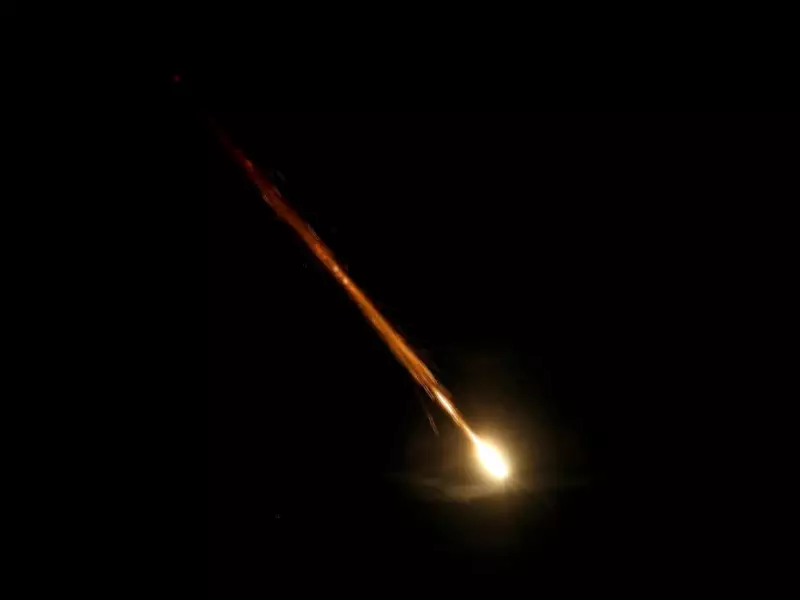
Iranian Strikes Devastate Qatar's LNG Infrastructure, Triggering Global Energy Crisis
In a shocking escalation of regional hostilities, Iranian military strikes have severely damaged Qatar's critical energy infrastructure, wiping out a substantial portion of its liquefied natural gas (LNG) export capacity. According to a Reuters report, the attacks have crippled 17% of Qatar's LNG production, with repairs expected to take up to five years to complete.
Massive Financial and Operational Losses Reported
QatarEnergy's CEO, Saad al-Kaabi, revealed in an interview that the assault has resulted in an estimated annual revenue loss of $20 billion. The damage specifically targeted two of Qatar's 14 LNG trains and one of its two gas-to-liquids (GTL) facilities. This disruption sidelines approximately 12.8 million tons per year of LNG capacity, posing a direct threat to energy supplies across Europe and Asia.
Al-Kaabi expressed profound dismay at the timing and origin of the aggression, stating, "I never in my wildest dreams would have thought that Qatar would be - Qatar and the region - in such an attack, especially from a brotherly Muslim country in the month of Ramadan, attacking us in this way." The strikes were reportedly launched by Iran in retaliation for Israeli attacks on its own gas infrastructure, marking an unprecedented series of assaults on Gulf oil and gas facilities.

Force Majeure Declarations and Global Supply Chain Disruptions
The extensive damage has compelled state-owned QatarEnergy to consider declaring force majeure on long-term LNG supply contracts destined for key markets including Italy, Belgium, South Korea, and China. Al-Kaabi explained that while shorter-term declarations were made earlier, the current severity necessitates longer extensions due to the catastrophic loss of infrastructure.
"I mean, these are long-term contracts that we have to declare force majeure. We already declared, but that was a shorter term. Now it's whatever the period is," he said. The affected infrastructure, valued at around $26 billion, involves U.S. oil giant ExxonMobil as a key partner, holding significant stakes in the damaged LNG trains.
Widespread Impact Beyond LNG Production
The repercussions of the strikes extend far beyond LNG, severely impacting other sectors of Qatar's energy exports:
- Condensate exports are projected to decline by 24%.
- Liquefied petroleum gas (LPG) output has fallen by 13%.
- Helium production has dropped by 14%.
- Naphtha and sulphur outputs have both decreased by 6%.
Al-Kaabi emphasized that production can only resume once hostilities cease, underscoring the deep interconnection between regional conflict resolution and global energy stability. This incident highlights the fragility of international energy markets in the face of geopolitical tensions, with potential long-term implications for economic and diplomatic relations worldwide.