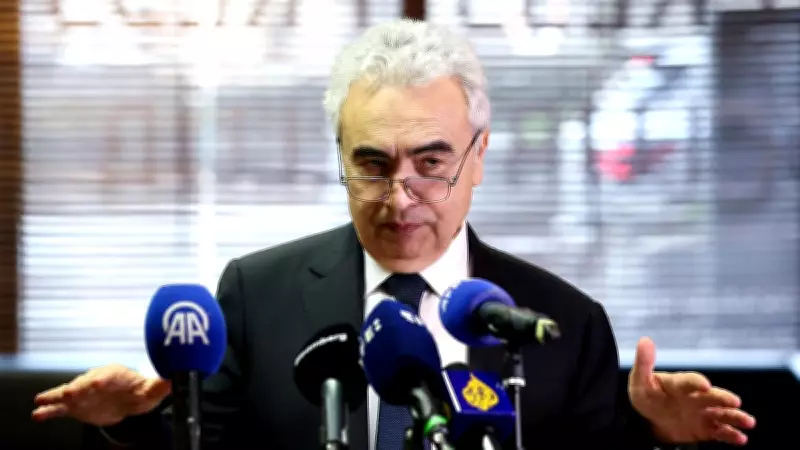
IEA Chief Issues Stark Warning on Russian Gas Reliance
The head of the International Energy Agency (IEA), Fatih Birol, has issued a clear and urgent warning to global energy markets, particularly targeting Europe and Asia. He strongly advises against any return to dependence on Russian natural gas, even as the world anticipates a significant surge in liquefied natural gas (LNG) supplies in the coming years.
Global LNG Capacity Set for Major Expansion
According to the IEA's latest projections, global LNG export capacity is expected to increase by a substantial 25% by the year 2030. This growth is primarily driven by new projects launching in the United States and Qatar. This influx of new supply is predicted to reshape the international gas market, potentially easing some of the tightness and price volatility experienced in recent times.
However, Birol emphasized that this should not be misinterpreted as a green light to resume large-scale imports from Russia. He pointed out that Europe has made considerable progress in diversifying its energy sources since the geopolitical tensions escalated in 2022, significantly reducing its reliance on Russian pipeline gas.

The Persistent Risks of Russian Energy Dependence
The IEA Executive Director highlighted several critical risks associated with returning to Russian gas:
- Energy Security Vulnerability: Renewed dependence could recreate the strategic vulnerabilities Europe worked hard to overcome.
- Geopolitical Leverage: It could provide Russia with renewed economic and political leverage over importing nations.
- Market Destabilization: A sudden shift back could undermine the stability of the newly diversified European energy market.
"The experience of the recent energy crisis has shown the importance of resilient and diversified energy supplies," Birol stated, underscoring the lessons learned from the past disruptions.
Strategic Recommendations for a Secure Future
The agency recommends that countries continue to prioritize several key strategies to ensure long-term energy security and affordability:
- Accelerate Investments in Renewables: Further scale up wind, solar, and other clean energy sources to reduce fossil fuel dependency.
- Enhance Energy Efficiency Measures: Implement stronger policies and technologies to reduce overall energy demand.
- Maintain Diverse Supply Sources: Continue sourcing gas from a wide range of reliable suppliers, including the US, Qatar, and others.
- Develop Robust Storage Infrastructure: Build sufficient gas storage capacity to buffer against any future supply shocks.
The IEA's warning serves as a crucial reminder that while the global LNG market is expanding, energy policy must remain focused on security, sustainability, and reducing geopolitical risks, rather than reverting to old dependencies.