

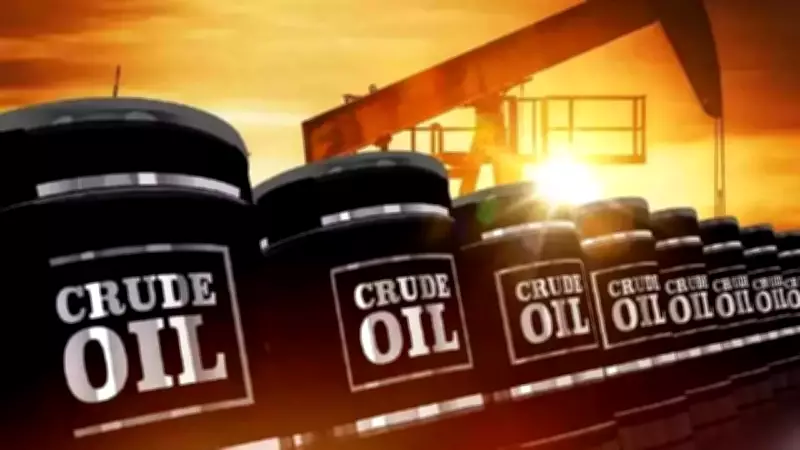
IEA Activates Emergency Oil Reserves to Counter War-Driven Supply Shock
The International Energy Agency (IEA) confirmed on Sunday that it is initiating an unprecedented coordinated release of strategic oil reserves in response to the severe supply disruption caused by the ongoing West Asia war. According to agency statements, member countries in Asia and Oceania will begin releasing stocks immediately, while supplies from the Americas and Europe are scheduled to start flowing from the end of March.
Phased Regional Implementation Plans
The IEA disclosed that member nations have submitted individual implementation plans, outlining the phased approach to this emergency action. Asia-Oceania regions will receive the first wave of reserves without delay, addressing acute supply stress in the Asia-Pacific area. In contrast, releases from American and European member countries are set to commence in late March, providing a clearer timeline for this historic intervention.
This coordinated effort involves a total of 271.7 million barrels of government-managed stocks being released worldwide initially, with broader plans to make 400 million barrels available from strategic reserves. This far exceeds the 182.7 million barrels released following Russia's invasion of Ukraine in 2022, marking this as the largest emergency stockpile release in IEA history.

Unprecedented Market Disruption
The agency characterized the current situation as creating "the largest supply disruption in the history of the global oil market." Describing the war-driven price surge as unprecedented, the IEA emphasized that this sixth emergency stockpile release in its history serves as a "significant and welcome buffer" against market volatility.
Despite this record intervention, oil prices have remained stubbornly high, hovering around $100 per barrel—the highest level since 2022 and sharply above pre-war levels below $70. This price resilience reflects persistent market concerns that even historic reserve releases may not fully compensate for supply losses caused by shipping disruptions in critical waterways.
Strait of Hormuz: The Critical Chokepoint
The IEA made clear that reserve releases alone cannot solve the fundamental supply problem. The agency identified the resumption of regular tanker movement through the Strait of Hormuz as the most important factor for restoring stable oil flows. This strategic waterway, which typically carries approximately one-fifth of global oil shipments, has been effectively blocked by Iran since the war began on February 28 following US-Israeli air strikes on Iranian targets.
The agency stressed that adequate insurance mechanisms and physical protection for shipping would be critical for resuming normal flows through this vital chokepoint in the global energy system.
Limited Relief and Market Imbalance
Analysts from S&P Global Energy have warned that the IEA's broader 400 million-barrel release plan may offer only limited relief if the Strait of Hormuz remains closed. According to their assessment, the release would help markets adjust to current imbalances but faces uncertainty about whether the oil will reach regions with the greatest need, particularly Asian markets where inventories are rapidly depleting.
Jim Burkhard, Vice President and Global Head of Crude Oil Research at S&P Global Energy, noted: "There is too much oil that cannot be exported via the Strait of Hormuz and not enough in Asia, where stocks are running down. The market is seriously unbalanced and that will continue until the Strait is reopened and upstream and downstream operations return to normal."
Projections indicate it would take months for the 400 million-barrel release to offset the approximately 430 million-barrel reduction in global supply anticipated for March alone.
Global Reserve Mobilization Accelerates
The Paris-based IEA's emergency response is gaining momentum across member nations. Countries including Germany and Austria have already confirmed they will release portions of their strategic reserves, while Japan announced it would begin drawing down stocks starting Monday.

IEA member countries currently maintain substantial reserve capacities, holding over 1.2 billion barrels of public emergency oil stocks plus an additional 600 million barrels of industry stocks under government obligation.
The latest developments signal that the emergency release is transitioning from announcement to implementation phase. However, with oil prices remaining near $100, tanker flows still disrupted, and the Strait of Hormuz effectively closed, markets appear skeptical that reserve barrels alone can quickly stabilize global energy supplies amid this historic disruption.





