Fujairah Port: A Critical Nexus in Global Oil Dynamics During Regional Conflict
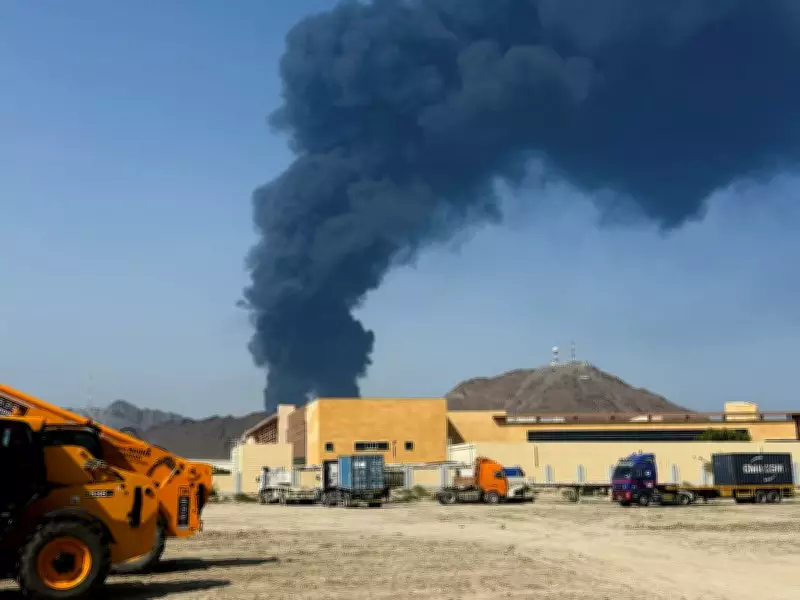
The United Arab Emirates' Fujairah port, strategically positioned on the Gulf of Oman approximately 70 nautical miles from the Strait of Hormuz, has emerged as a pivotal node in the global oil market amidst escalating tensions. With the Strait of Hormuz effectively closed due to the ongoing Iran war, the port's operations have taken on heightened importance, as recent disruptions from drone attacks and fires have led to the suspension of some oil-loading activities.
Global Impact of Fujairah's Oil Flows
Fujairah exported an average of over 1.7 million barrels per day of crude oil and refined fuels last year, according to Kpler data. This volume equates to roughly 1.7% of daily world demand, underscoring its substantial role in meeting global energy needs. The port's location outside the Strait of Hormuz allows it to serve as a crucial alternative route for oil shipments, mitigating risks associated with the closure of this vital chokepoint.
In addition to crude exports, Fujairah is a major player in the marine fuel sector. It sold 7.4 million cubic metres (approximately 7.33 million metric tons) of marine fuels in 2025, ranking it as the fourth largest bunkering hub globally, trailing only Singapore, Rotterdam, and China's Zhoushan. This capacity makes it indispensable for refuelling ships traversing key maritime routes.

Strategic Importance to the UAE's Oil Infrastructure
For the UAE, which produced more than 3.4 million barrels per day of crude before the conflict, Fujairah is integral to its energy export strategy. The country operates the 1.5 million bpd Abu Dhabi Crude Oil Pipeline (ADCOP), also known as the Habshan–Fujairah Pipeline, which transports oil from Abu Dhabi's fields directly to the port. This pipeline enables the UAE to bypass the Strait of Hormuz, ensuring continued access to international markets.
The port primarily loads the UAE crude grade Murban, which is predominantly sold to buyers in Asia. With Hormuz largely inaccessible, any significant disruptions at Fujairah could force the UAE, OPEC's third-largest crude producer, to curtail production, potentially exacerbating global supply shortages.
Influence on Crude and Fuel Markets
Fujairah boasts a storage capacity of 18 million cubic metres, positioning it as one of the world's top hubs for storing crude and fuels. This extensive infrastructure supports blending operations, where different petroleum components are mixed to create finished products like gasoline and bunker fuels that meet specific industry standards.
Major global storage companies, including VTTI, Vitol, ADNOC, and Vopak, operate at the port, leveraging the Fujairah Oil Industry Zone, which hosts the Middle East's largest commercial storage capacity for refined products. This concentration of assets enhances the port's ability to stabilize regional and global oil supplies during periods of volatility.
The recent drone attack on Saturday, which caused smoke to rise in the Fujairah oil industry zone after air defenses intercepted the drone, highlights the vulnerabilities facing this critical infrastructure. As the US-Israel conflict with Iran intensifies, the port's resilience is being tested, with implications for oil prices and market stability worldwide.