

Global Energy Crisis Intensifies Amid West Asia Conflict
A widening energy shock, triggered by the ongoing conflict in West Asia, is compelling nations across Asia and beyond to adopt emergency measures. This crisis combines a resurgence in coal usage with stringent fuel controls, work restrictions, and rationing protocols. What initially began as a supply disruption is now profoundly affecting daily life, manifesting in power cuts and transport limitations.
Disruptions in Key Oil Routes
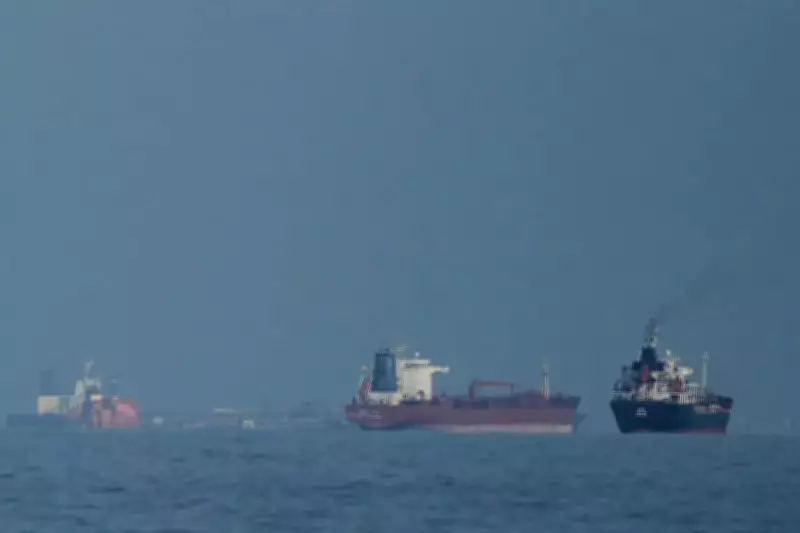
Disruptions through the Strait of Hormuz, a critical artery for global oil and gas transportation, have severely squeezed liquefied natural gas (LNG) supplies. This shortage is pushing countries toward coal as a stopgap solution to meet energy demands.
Asia's Shift to Coal and Demand-Control Measures
In response, several Asian nations are implementing aggressive strategies:

- India is increasing coal consumption to address peak summer energy needs.
- South Korea has temporarily relaxed limits on coal-based power generation despite its emissions reduction pledges.
- China, the world's largest coal consumer and producer, continues to rely on coal to bolster energy security, even as it expands clean energy initiatives.
- Indonesia is prioritizing domestic coal use over exports, tightening availability in the region.
- Thailand, the Philippines, and Vietnam are also leaning more on coal-fired generation to manage shortages.
This shift serves as a short-term fix but risks exacerbating air pollution and delaying transitions to cleaner energy sources. Concurrently, countries are rolling out strict demand-control measures to conserve fuel:
- Pakistan: Schools and colleges are shut for two weeks, a four-day working week is enforced with 50% work-from-home for government staff, and fuel allocations to departments are halved with nonessential vehicles removed from roads.
- Sri Lanka: A midweek public holiday is implemented for schools, universities, and non-essential workers, alongside the return of a QR-based National Fuel Pass with strict weekly caps.
- Bangladesh: Universities and foreign curriculum schools have moved online, fuel rationing is in place, and five-hour rolling blackouts occur due to gas shortages.
- Bhutan: A ban on fuel sales in jerry cans prevents hoarding, work-from-home is activated, and priority supply is given to emergency services.
Shortages, Queues, and Price Shocks
On the ground, the strain is visibly escalating. Bangladesh is experiencing long queues and unrest at fuel stations, with pump owners warning of a critical point as supply fails to meet demand. Pakistan has imposed a 200% hike on high-octane fuel, while Sri Lanka has raised prices by approximately 25% in quick succession, reflecting mounting import pressures.
Crisis Spreads Beyond Asia
The energy squeeze is no longer confined to Asia, with multiple countries imposing curbs globally:
- South Africa has adopted controlled allocation measures due to diesel shortages.
- Egypt is implementing early closures of malls and government offices, with illuminated billboards switched off.
- Kenya has enforced fuel rationing, effectively halting exports.
- New Zealand has seen Air New Zealand cancel over 1,000 flights due to jet fuel costs, with the government considering reviving a car-less day policy.
- Slovakia and Slovenia have imposed fuel quotas and rationing limits to maintain supply.
A Fragile Balance and Long-Term Vulnerabilities
Even as some shipments continue through disrupted routes, supplies are being diverted to critical sectors like fertilisers instead of power generation. Coal remains the primary fallback due to its availability, but experts warn that this reliance could deepen long-term vulnerabilities. The current crisis starkly exposes Asia's dependence on imported energy and how swiftly disruptions can ripple through economies and everyday life, highlighting the urgent need for resilient energy strategies.






