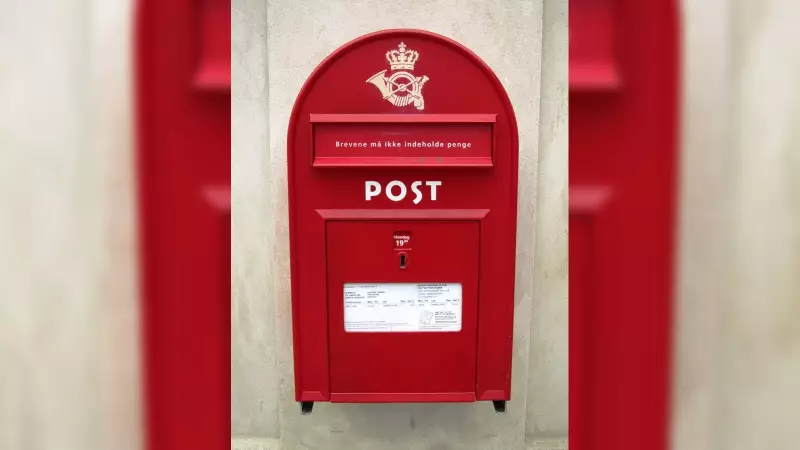
In a historic move signalling the end of a physical communication era, Denmark's national postal service, PostNord, has officially stopped delivering letters to private addresses. This monumental change, which took effect on December 30, 2024, brings the curtain down on a public service that has operated for over 400 years.
The End of an Era for Physical Mail
The decision marks a definitive shift in how Danes will receive their official correspondence. PostNord, the company formed from a merger of Danish and Swedish postal services, will no longer be legally obligated to deliver letters to homes across the country. This change follows a decline of over 90% in letter volume since its peak in 2015, a stark indicator of the digital revolution's impact on traditional mail.
The roots of this service run deep into Danish history. The organised postal network in Denmark can be traced back to the year 1624, when King Christian IV established a official service. For centuries, it was the backbone of personal and official communication, connecting the nation through handwritten and typed messages delivered by postmen.

What Replaces the Traditional Letterbox?
So, what happens to mail now? The Danish government has mandated a transition to digital postboxes via the official system known as 'e-Boks'. This move is not entirely new; Denmark has been gradually moving citizens towards digital communication for official matters for years. Now, it becomes the primary channel.
All citizens aged 15 and above are automatically signed up for a digital postbox. This is where they will receive communications from public authorities, banks, utility companies, and other official entities. The government argues this system is more efficient, secure, and environmentally friendly than paper-based letters.
Exceptions and the Future of Parcels
It is crucial to note that this change applies specifically to letters. The delivery of packages and parcels continues uninterrupted. PostNord and other courier companies will still bring online shopping orders and other parcels directly to doors. This highlights how the postal service's economic model has pivoted from letters to e-commerce logistics.
Furthermore, there are exceptions for certain vulnerable groups. Individuals who, due to age, disability, or lack of digital skills, cannot use the digital system can apply for an exemption. For them, physical letters from the public sector will still be printed and delivered, though potentially with a delay.
The Danish government estimates this shift will save the state approximately 1 billion Danish kroner (roughly 120 crore INR) over several years. These savings come from reduced printing, paper, and transportation costs associated with mass physical mail delivery.
A Global Trend and Cultural Shift
Denmark's decision places it at the forefront of a global trend, but it is a particularly poignant moment given the longevity of its service. The sight of a postal worker delivering letters will become a rarity, transforming a centuries-old daily ritual.
While the move promises efficiency and cost savings, it also sparks conversations about digital inclusion, the loss of tangible communication, and the pace of technological change reshaping societal infrastructure. Denmark's 400-year postal journey reflects a broader story of how nations are adapting their foundational services for a digital future.