US Considers Targeted Military Action Against Iranian Leadership
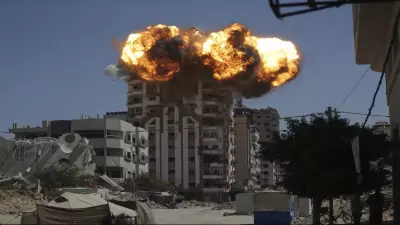
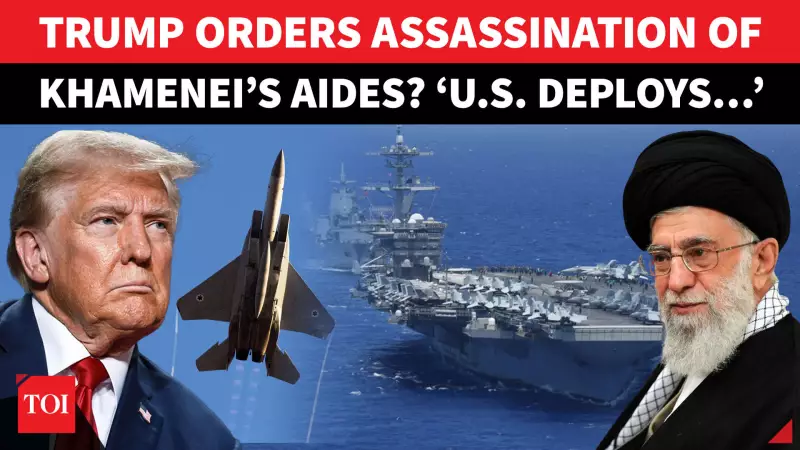
In a development that could dramatically alter the geopolitical landscape of the Middle East, the United States is reportedly weighing precision military strikes against what it terms "high-value" Iranian officials and military commanders. This potential escalation comes amid ongoing tensions between Washington and Tehran, with discussions taking place behind closed doors in the American capital.
A Dangerous New Chapter in US-Iran Relations
The consideration of direct military action represents what could become a dangerous new chapter in the long-standing and volatile standoff between the two nations. According to reports, the targeted officials are allegedly linked to the deadly suppression of recent anti-government protests within Iran. This marks a significant shift from political and economic pressure toward potential kinetic military operations.
If implemented, such strikes would transform diplomatic tensions into direct military confrontation, with experts warning of unpredictable regional consequences that could ripple across the already unstable Middle East. The discussions signal a sharp escalation in strategy that Washington is seriously contemplating.

Strategic Implications and Regional Fallout
The move toward considering precision strikes indicates a hardening of the US position regarding Iran's internal affairs and regional activities. Military analysts note that such actions would represent a departure from previous approaches that relied more heavily on sanctions and diplomatic isolation.
The potential for miscalculation and unintended escalation remains a serious concern among foreign policy experts. A direct attack on Iranian officials could prompt retaliatory measures from Tehran, potentially drawing other regional actors into the conflict and destabilizing vital international shipping lanes in the Persian Gulf.
Broader Context of Regional Tensions
This development occurs against a backdrop of increasing regional tensions involving multiple actors:
- Recent warnings from US officials about potential conflicts with Iranian-aligned groups
- Ongoing diplomatic challenges in US relations with other Middle Eastern nations
- Continued concerns about Iran's nuclear program and regional influence
- Complex dynamics involving Russia, China, and other global powers in the region
The closed-door nature of these discussions in Washington suggests that policymakers are carefully weighing the risks and potential outcomes of such a dramatic shift in strategy. The decision, if taken, would likely have far-reaching implications for US foreign policy in the Middle East and beyond.