US-Israel-Iran War Intensifies with New Missile Strikes and Global Repercussions
The conflict between the United States, Israel, and Iran continues to escalate dramatically across the Middle East, marked by ongoing military strikes, increasing casualties, and a growing impact on the global economy that keeps the situation highly fluid and uncertain. Conflicting statements from Washington and Tehran have further muddied the waters, with both sides presenting sharply divergent narratives regarding the potential for negotiations. While the United States hints at possible diplomatic openings, Iran has firmly dismissed such claims, underscoring the deep-seated mistrust that defines the current volatile moment.
Military Escalation and Regional Tensions
Beyond direct military actions, the ripple effects of the war are becoming increasingly visible. Energy markets remain in a state of volatility, with global oil prices fluctuating wildly as fears of disruptions through critical routes like the Strait of Hormuz continue to influence economic decisions worldwide. Security alliances are being rigorously tested, with regional players enhancing defensive measures and global powers monitoring closely for any signs of further escalation.
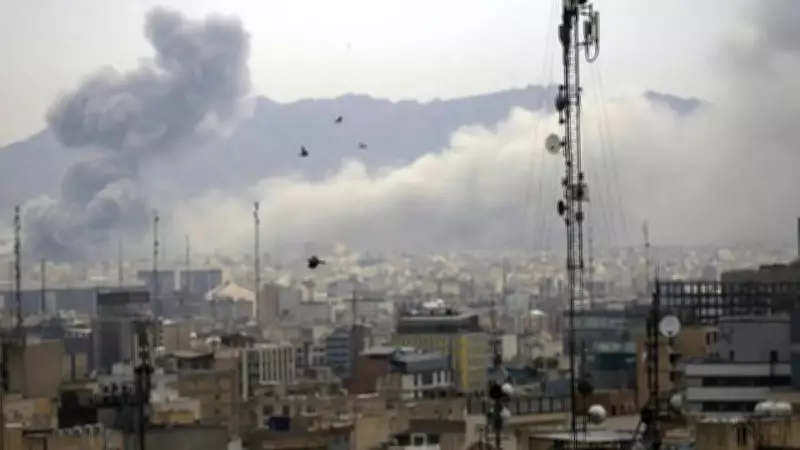
Humanitarian concerns are intensifying at an alarming rate. Large-scale displacement in conflict-affected areas, particularly in Lebanon and parts of Iran, is placing immense pressure on already strained systems. Attacks on infrastructure, including power networks and urban centers, are beginning to impact civilian life more directly, exacerbating the crisis.

Latest Developments in the Conflict
Israel has targeted new locations in southern Lebanon, while air raid sirens have sounded in Bahrain and Kuwait. Drone interceptions and air defense activities have expanded across Gulf nations, including Saudi Arabia and Kuwait. The United States has postponed planned strikes on Iranian power infrastructure amid claims of potential talks, but Iran has denied any negotiations, labeling US statements as misleading.
In a tragic incident, a leading scholar and professor at a science university in Tehran, Saeed Shamaghdari, along with his two children, Mohammad and Reyhaneh, were killed in a US-Israeli attack on his residence north of the Iranian capital, as reported by local media. Pro-government rallies were held in Tehran despite threats, with supporters gathering on Valiasr Street to voice support for the Iranian leadership and criticize the US-Israel military campaign.
Iran's health ministry has reported that the death toll has surpassed 1,500, while in Israel, 15 people have been killed by Iranian strikes. At least 13 US military members have lost their lives, along with more than a dozen civilians in the occupied West Bank and Gulf Arab states.
Global Economic and Diplomatic Fallout
Iran's Consul General in Mumbai, Saeid Reza Mosayeb Motlagh, stated that Western sanctions against Iran have had significant repercussions on global markets and contributed to broader tensions in West Asia. South Korea has announced measures to reduce fuel consumption and control rising costs as the war disrupts global energy supplies, with public employees required to keep fossil-fuel vehicles off the road one day per week.
China has urged its citizens in Israel to evacuate due to deteriorating security, organizing an evacuation via the Taba border crossing with Egypt. Fresh reports from Iran indicate that key energy-linked facilities in Isfahan and Khorramshahr have been hit, adding to the uncertainty. Iran has launched new missiles at Israel, prompting Kuwait to activate its air defenses for the second time in less than an hour.
The United States is reportedly exploring Iranian Parliament Speaker Mohammad Bagher Ghalibaf as a potential interlocutor, though he has rejected claims of negotiations. A global alert has been issued by the US, urging citizens to leave Iraq immediately due to increased attacks by Iran-aligned militias. In Asia, countries like India, South Korea, and Indonesia are turning back to coal as fuel supply fears rise, highlighting the conflict's far-reaching economic consequences.

As the war continues unabated, diplomatic efforts by countries such as Egypt, Turkey, Oman, and Pakistan are underway behind the scenes to de-escalate tensions. However, with trust at a low ebb and positions far apart, the path to resolution remains fraught with challenges, threatening prolonged instability in the region and beyond.