

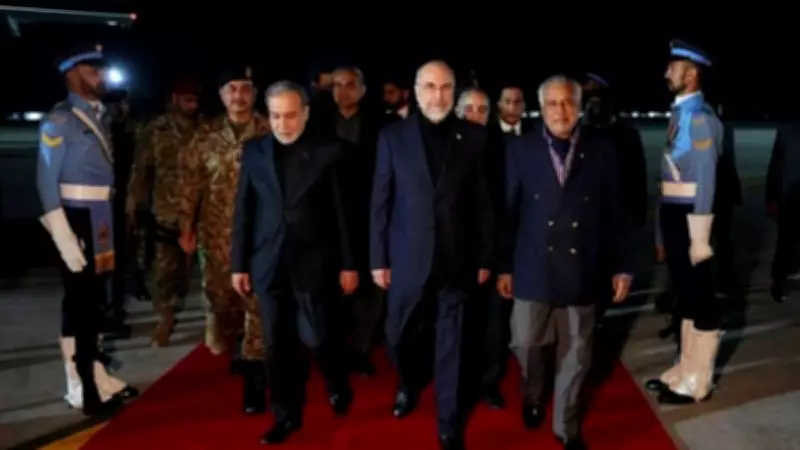
US-Iran Ceasefire Delegation Engages in Critical Talks to Ease Middle East Tensions
In a significant development aimed at preventing a full-scale war, a high-level US-Iran ceasefire delegation has convened for talks to de-escalate mounting tensions in the volatile Middle East region. The discussions, which are being closely monitored globally, focus on key flashpoints including the strategic Strait of Hormuz and ongoing conflicts involving nations like Lebanon and Israel.
Focus on Regional Stability and Diplomatic Channels
The delegation's primary objective is to establish a framework for reducing hostilities and avoiding military confrontations that could spiral into a broader war. Analysts highlight that the Strait of Hormuz, a crucial maritime chokepoint for global oil shipments, remains a central concern in these negotiations, as any disruption there could have severe economic repercussions worldwide.
These talks come amid a backdrop of heightened political rhetoric and military posturing from both sides. Recent statements from US political figures, including JD Vance and former President Donald Trump, have underscored the complex domestic pressures influencing American foreign policy in the region. Similarly, Israeli Prime Minister Benjamin Netanyahu's stance on regional security adds another layer to the diplomatic calculus.

Challenges and Prospects for a Lasting Ceasefire
While the delegation's meeting signals a willingness to engage diplomatically, significant hurdles persist. Historical animosities, proxy conflicts, and divergent strategic interests pose challenges to achieving a sustainable ceasefire. Experts caution that without concrete confidence-building measures and mutual concessions, the risk of escalation remains high.
The involvement of other Middle Eastern actors, such as Lebanon-based militant groups, further complicates the situation. Observers note that a comprehensive agreement would need to address not only direct US-Iran issues but also broader regional dynamics.
As the talks progress, the international community watches with cautious optimism, hoping that dialogue can pave the way for stability in a region long plagued by conflict and uncertainty.






