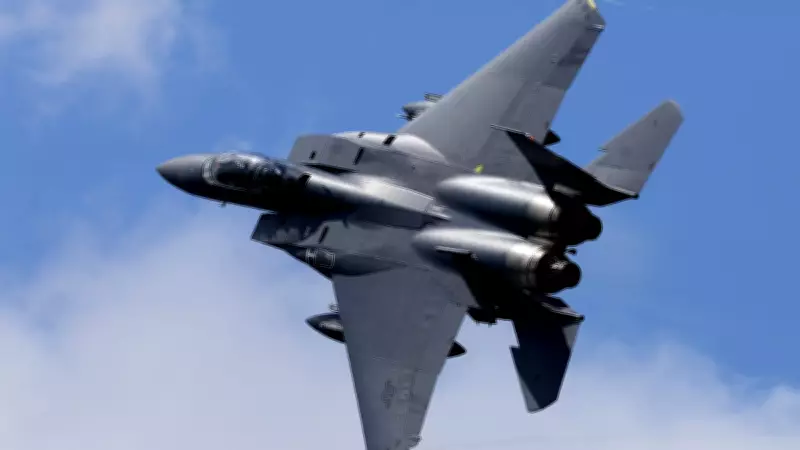
US Air Force F-15 Fighter Jet Crashes in Kuwait Amid Iran's Strike Claims
A United States Air Force F-15 fighter jet crashed in Kuwait on March 2, 2026, during a routine training mission, according to official statements. The incident has sparked significant regional tension after Iran claimed responsibility for the crash, alleging it was a targeted strike. This event marks a serious escalation in the volatile Middle East, drawing immediate attention from global military and diplomatic circles.
Details of the Crash and Immediate Aftermath
The F-15 Eagle, a multirole combat aircraft, went down in a remote area of Kuwait, with initial reports indicating no civilian casualties on the ground. The US Air Force confirmed the crash, stating that the pilot ejected safely and was recovered with minor injuries. An investigation into the cause is underway, focusing on potential mechanical failures or external factors. However, the situation quickly intensified when Iranian state media released a statement asserting that their forces had downed the jet in retaliation for perceived US aggression in the region.
Key Points from the Incident:- The crash occurred during a standard training exercise in Kuwaiti airspace.
- The pilot survived with non-life-threatening injuries and is receiving medical care.
- Iran's claim of responsibility has not been independently verified by US or Kuwaiti authorities.
- No other aircraft or personnel were involved in the incident.
Iran's Allegations and Regional Implications
Iran's assertion that it struck the F-15 fighter jet adds a layer of complexity to the crash, potentially signaling a direct military confrontation. Iranian officials cited recent US military movements in the Persian Gulf as justification, though they provided no concrete evidence to support their claim. This incident follows a pattern of heightened tensions between the US and Iran, including previous skirmishes and diplomatic standoffs. Analysts warn that such claims could exacerbate existing conflicts, impacting regional stability and international relations.

US and Kuwaiti Responses
In response to the crash, the US Department of Defense emphasized that the investigation is ongoing and urged caution against jumping to conclusions. A spokesperson stated, "We are assessing all aspects of this incident, including any external threats, but our primary focus is on the safety of our personnel." Kuwaiti authorities have secured the crash site and are cooperating with US forces to determine the exact cause. Both nations have called for restraint, highlighting the importance of de-escalation to prevent further incidents.
Steps Taken by Authorities:- Immediate rescue and recovery operations for the pilot.
- Securing the crash site to preserve evidence for investigation.
- Coordinating with international partners to assess regional security threats.
- Monitoring Iranian statements and actions closely.
Broader Context and Future Outlook
This F-15 crash occurs against a backdrop of ongoing geopolitical strife in the Middle East, where US-Iran relations have been strained for decades. The incident raises questions about airspace security and military preparedness in allied nations like Kuwait. As investigations proceed, the global community watches closely, with potential implications for defense policies and diplomatic engagements. The outcome could shape future military operations and conflict resolution efforts in the region.
In summary, the crash of a US Air Force F-15 in Kuwait, coupled with Iran's strike claims, underscores the fragile state of affairs in the Middle East. While the pilot's survival is a positive note, the incident highlights the need for vigilant monitoring and proactive diplomacy to mitigate risks of escalation.