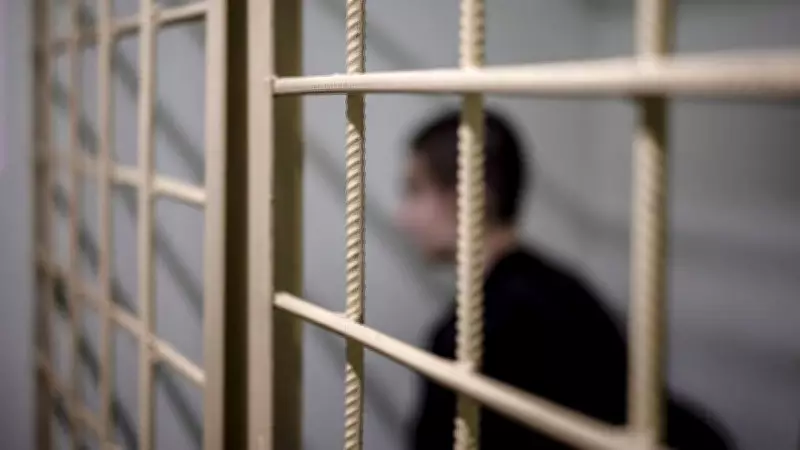
More than 1,100 Ukrainians have been accused of committing arson, terrorism, or sabotage in betrayal of their country, according to Ukraine's security service, the SBU. One in five of those accused have been minors, raising complex legal and moral questions about how to judge young offenders in wartime.
The Scale of the Problem
The SBU's figures, reported by Reuters, highlight a troubling trend: teenagers are increasingly involved in acts that undermine Ukraine's defense efforts. These acts range from setting fire to military vehicles to providing location data to Russian forces. The motivations vary, from financial incentives to ideological alignment with Russia, but the consequences are severe—both for national security and for the young lives caught in the conflict.
Legal and Ethical Dilemmas
Ukrainian law treats minors differently from adults, but the gravity of wartime betrayal has led to calls for stricter penalties. Human rights advocates argue that children should be rehabilitated rather than punished harshly, especially when they may have been coerced or manipulated. The SBU emphasizes the need to protect national interests, but the question remains: can a teenager fully comprehend the weight of treason?

Some cases involve teens as young as 14, who may not grasp the long-term implications of their actions. Others are older and more aware, yet still vulnerable to propaganda or peer pressure. The judicial system faces the challenge of balancing accountability with compassion.
Comparisons to Other Conflicts
Historically, nations at war have struggled with similar issues. During World War II, young collaborators in occupied countries faced a range of outcomes, from leniency to execution. Modern conflicts, such as in Syria or Iraq, have seen child soldiers prosecuted or reintegrated. Ukraine's approach may set a precedent for how post-war justice is administered.
What the Future Holds
As the war continues, the number of accused teens may rise. The SBU and Ukrainian courts are developing protocols to handle these cases, but international observers are watching closely. The outcome will reflect not only Ukraine's commitment to rule of law but also its capacity for mercy in a time of existential threat.
Ultimately, the judgment of these teenagers will be a test of Ukrainian society's values: how to punish betrayal without losing the next generation to despair.