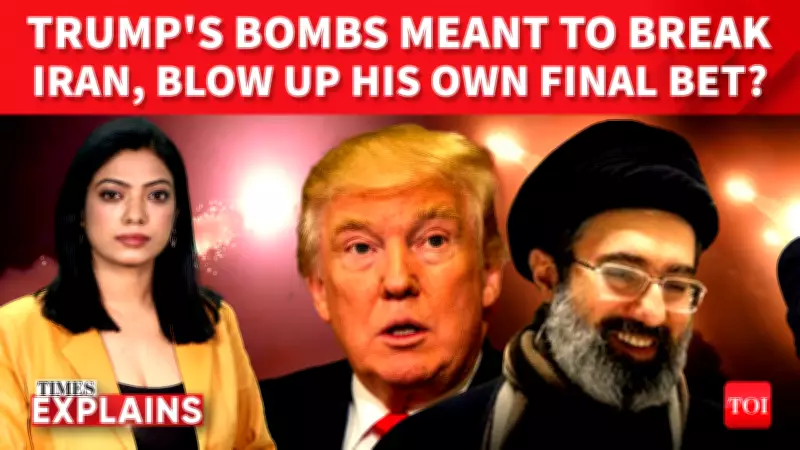
Another Trump Gamble Goes Boom? Iran Refuses to Fold Under Bomb Pressure
Trump believed bombs would do the talking. Instead, Tehran answered with a thunderclap that rattled the entire region. The White House bet that military pressure would force Iran to blink, back down, and return to the table on Washington's terms. But Iran's response told a different story - one of defiance, retaliation, and escalating stakes. As missiles fly, markets tremble, and tensions surge around the Strait of Hormuz, a troubling question looms: Has America's strategy strengthened its leverage—or exposed its limits?
US Strategy Backfires
The Trump administration's approach to Iran has long been characterized by maximum pressure, combining economic sanctions with military threats. The latest escalation involved a series of bombings aimed at forcing Tehran to capitulate. However, Iran's leadership, under Supreme Leader Ali Khamenei, has consistently rejected such coercion. Instead of backing down, Iran launched retaliatory strikes, targeting US assets and allies in the region. The Strait of Hormuz, a critical chokepoint for global oil shipments, has become a flashpoint, with Iran threatening to disrupt traffic.
Regional and Global Fallout
The crisis has sent shockwaves through global markets. Oil prices spiked as traders feared supply disruptions. The United Nations and European allies have called for de-escalation, but the US and Iran remain entrenched. Analysts warn that the situation could spiral into a full-scale war, with devastating consequences for the Middle East and beyond. The question now is whether the US can find a face-saving exit or if it will be forced to escalate further.

What Next?
As the standoff continues, the world watches anxiously. The Trump gamble appears to have backfired, leaving the US with fewer options and a more defiant Iran. Diplomacy, once dismissed, may now be the only viable path forward. But with both sides unwilling to blink, the risk of miscalculation remains high.