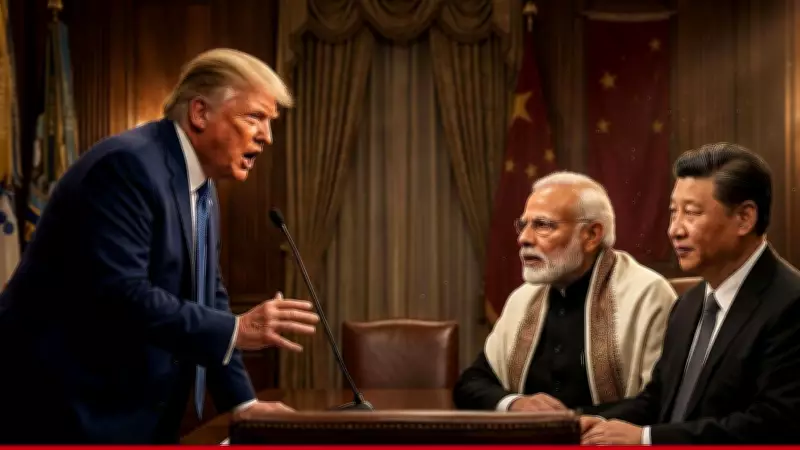
US President Donald Trump has sparked a fresh wave of international outrage after reposting a social media comment that referred to India and China as 'hellholes.' The remark came amid an ongoing debate over birthright citizenship in the United States, drawing sharp criticism from leaders, diplomats, and citizens worldwide.
Context of the Controversy
The post, originally shared by a conservative commentator, accused immigrants from India and China of exploiting US birthright citizenship laws. Trump's decision to amplify the message has been condemned as inflammatory and racially charged. Critics argue that such language undermines diplomatic ties and fuels xenophobia.
Global Reaction
Indian officials expressed deep disappointment, with the Ministry of External Affairs stating that the comment does not reflect the strength of bilateral relations. Chinese foreign ministry spokespersons called the remark 'irresponsible' and urged respect between nations. Human rights groups and diaspora communities in the US have also voiced strong objections.

Impact on US Immigration Debate
The incident has reignited discussions about US immigration policy, particularly the 14th Amendment's guarantee of birthright citizenship. Trump has long opposed this provision, and his latest action is seen as an attempt to rally his base ahead of upcoming elections. However, experts warn that such rhetoric could harm America's global standing and discourage skilled migration.
Political Fallout
Domestically, Democratic leaders and several Republican moderates have distanced themselves from Trump's language. Senator Lindsey Graham called the term 'unhelpful,' while House Speaker Mike Johnson declined to comment. The White House has not issued an official statement, but aides suggest Trump stands by his decision to share the post.
Historical Parallels
This is not the first time Trump has used controversial language about other countries. In 2018, he reportedly referred to African nations as 'shithole countries,' sparking similar backlash. Analysts note that such remarks often overshadow policy discussions and create diplomatic hurdles.
Conclusion
The 'hellholes' controversy underscores the deep divisions in US politics and the challenges of navigating international relations in an era of polarized discourse. As the birthright citizenship debate continues, all eyes are on how this latest incident will influence public opinion and policy outcomes.