The ongoing standoff between the United States and Iran represents a complex and evolving geopolitical crisis shaped by military, economic, and diplomatic pressures. Although a ceasefire has halted direct exchanges of fire, underlying tensions remain unresolved, particularly over control of strategic energy routes and concerns surrounding Iran's nuclear programme. The situation highlights how modern conflicts can persist in indirect forms, even in the absence of active combat.
Strait of Hormuz at the Core of Conflict
At the heart of the crisis is the Strait of Hormuz, a vital artery for global energy supplies. Iran's move to restrict traffic through the strait has had far-reaching consequences, disrupting international oil flows and pushing prices sharply higher. This has not only affected energy markets but also heightened fears of a broader economic downturn. In response, Iran has proposed a potential de-escalation measure, offering to ease its blockade if the United States reciprocates by lifting restrictions on Iranian ports. However, US officials remain cautious, questioning both the intent and reliability of Tehran's proposal.
Regional Dimensions and International Reactions
The regional dimension of the conflict adds further complexity. Israel's continued military actions in southern Lebanon, particularly against Hezbollah, signal that tensions are not confined to US-Iran relations alone. At the same time, Gulf nations and other regional players are attempting to navigate the crisis while safeguarding their own interests, with some stepping up diplomatic coordination efforts. Internationally, the situation has exposed divisions among Western allies, complicating efforts to present a unified response. Warnings from mediators such as Qatar suggest the conflict could become a long-term stalemate, punctuated by intermittent flare-ups.

Trump's Remarks on Iran's Nuclear Threat
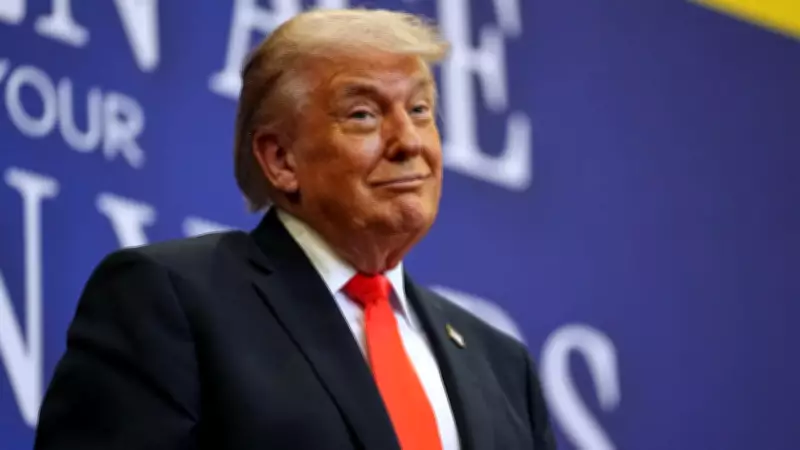
US President Donald Trump said on Friday that military action against Iran's nuclear programme was undertaken to protect the Gulf region, including Israel, from the threat posed by a potential nuclear-armed Tehran. Speaking at The Villages Charter School in Florida, Trump outlined what he described as the high stakes of the confrontation with Iran. "Because we have to take a little journey down to a beautiful country known as Iran, and we have to make sure that they don't have a nuclear weapon," he said. He added, "We stopped them with the B2 bombers. If we didn't do that, they would've had a nuclear weapon. Israel, the Middle East, and Europe would have been blown to pieces." Trump also claimed that Iran's military capabilities had been significantly weakened, asserting that its leadership had been diminished. "And Iran is getting decimated. They have no navy. They have no air force. They have no anti-aircraft equipment. They have no radar. They have no leaders; their leaders are all gone," he said.
Economic Pressure: US Blockade Squeezes Iran Oil Revenue
The United States has significantly tightened financial pressure on Iran through its naval operations in the Gulf of Oman and surrounding routes, with the Pentagon estimating losses of nearly 4.8 billion dollars in Iranian oil revenue. The assessment, reported by Axios, points to sustained disruptions in Tehran's ability to export energy, a key source of national income. Officials say the blockade is focused on enforcing sanctions and curbing maritime trade linked to Iran's oil shipments. The Strait of Hormuz, a vital chokepoint for global oil flows, has remained at the centre of these tensions. US authorities argue that controlling this corridor allows them to directly impact Iran's economic stability. Pentagon spokesperson Sean Parnell, citing Press Secretary Joel Valdez, said the operation is achieving its intended impact. According to Valdez, the measures are designed to weaken Iran's capacity to fund militant activity and destabilise the region.

Trump Defends Iran War, Calls Criticism 'Treasonous'
US President Donald Trump has sharply defended his administration's military campaign against Iran, describing critics who question its success as "treasonous." Speaking in Florida, Trump insisted that US forces have severely weakened Iran's military capabilities, despite earlier claims from his administration that hostilities had formally ended. Trump argued that the intervention was necessary to prevent Iran from developing nuclear weapons, claiming that such an outcome would have posed a direct threat to Israel, the Middle East, and Europe. He credited US air strikes, including the use of B2 bombers, with halting Tehran's alleged nuclear ambitions. The president maintained that Iran's military infrastructure has been dismantled, asserting that its naval and air capabilities have been effectively neutralised. However, he also signalled that negotiations remain unresolved, expressing dissatisfaction with Tehran's latest proposal for peace talks. Despite referencing a ceasefire, Trump made it clear that the United States would not withdraw prematurely. He warned that leaving too soon could allow the conflict to re-emerge within a few years. His remarks reflect a continued hardline stance, even as diplomatic channels remain open but uncertain.
US Approves 8.6 Billion Dollars in Arms Sales to Allies
The United States has approved more than 8.6 billion dollars in military sales to key allies in West Asia, including Israel, Qatar, Kuwait, and the United Arab Emirates. The move comes as regional tensions remain high following the prolonged conflict involving Iran. According to reports, the State Department cleared the deals as part of efforts to strengthen strategic partnerships and maintain security balance in the region. Among the approvals is a 4 billion dollar sale of Patriot missile systems to Qatar, alongside nearly 1 billion dollars in precision weapons for Israel. Officials say the sales are aligned with US foreign policy and national security objectives, particularly in light of ongoing instability. The timing also coincides with the ninth week of the US and Israel's conflict with Iran, despite a fragile ceasefire that has held for several weeks. The decision underscores Washington's commitment to bolstering allied defence capabilities while signalling continued deterrence against Iran. However, such large-scale arms transfers may further complicate diplomatic efforts, as the region navigates a delicate balance between military preparedness and the pursuit of long-term stability.
War Tensions Persist Despite Ceasefire and Fresh Talks Push
Despite a ceasefire holding for three weeks, tensions between the United States and Iran remain unresolved, with both sides continuing to exchange sharp rhetoric and cautious diplomatic signals. Iran has submitted a new proposal for negotiations through mediators in Pakistan, though President Donald Trump has already said he is not satisfied with its terms. While the White House has informed Congress that hostilities have "terminated," the continued presence of US forces in the region suggests otherwise. Trump has indicated that military options remain on the table, even as he expresses a preference for a negotiated settlement. On the ground, the conflict's impact continues to unfold. Reports of casualties in Lebanon following Israeli strikes and the deaths of Iranian personnel during demining operations highlight the ongoing risks. Economic strain is also evident, with sanctions and disruptions affecting Iran's domestic stability. The situation reflects a complex mix of military pressure and diplomatic manoeuvring. Although both sides appear open to talks, deep mistrust and conflicting demands continue to hinder progress towards a lasting resolution.
Global Fallout Grows as War Disrupts Oil, Aid, and Alliances
The wider consequences of the US-Iran conflict are becoming increasingly visible, affecting global oil markets, humanitarian efforts, and international alliances. Oil prices have fluctuated amid uncertainty, briefly dipping after reports of renewed talks before stabilising above 100 dollars per barrel. Shipping disruptions linked to the Strait of Hormuz have driven up freight costs, with the United Nations reporting an 18 per cent rise in expenses for delivering aid to refugees across the Middle East and Africa. These logistical challenges are delaying critical supplies to vulnerable populations. Meanwhile, the US has imposed new sanctions targeting Iranian financial networks, while also adjusting its military posture globally. Plans to withdraw around 5,000 troops from Germany signal shifting strategic priorities, partly influenced by tensions with European allies over the war. The conflict is also reshaping geopolitical dynamics, with countries like China emphasising the need for stable US relations amid broader uncertainty. As economic and military pressures intensify, the ripple effects of the war are extending far beyond the battlefield, influencing global trade, diplomacy, and humanitarian operations.
Tensions between the United States and Iran continue to simmer despite a fragile ceasefire, as both sides remain entrenched in a broader strategic standoff involving energy security, military positioning, and nuclear policy. Two months after the outbreak of conflict, hopes for a sustained de-escalation appear limited. While direct hostilities have paused, neither Washington nor Tehran has shown significant willingness to compromise on core issues, leaving diplomacy in a state of uncertainty. A central flashpoint remains the Strait of Hormuz, a crucial global energy corridor through which a significant share of the world's oil and gas supplies pass. Iran's effective blockade of the waterway has disrupted global markets, driving crude prices above 110 dollars per barrel and raising concerns about inflation and economic slowdown worldwide. In response, Tehran has floated a proposal — reportedly conveyed through Pakistan — suggesting it could ease restrictions on the strait if the United States lifts its own blockade on Iranian ports. However, officials in the Trump administration have questioned both the credibility of the offer and whether Iranian negotiators have the authority to commit to such terms. Diplomatic efforts are further complicated by continued military activity and regional instability. Israel has maintained operations against Hezbollah in southern Lebanon, while Iran has signalled it does not consider the conflict fully resolved. Regional actors such as Qatar have warned that the situation risks becoming a prolonged "frozen conflict," marked by periodic escalations. Meanwhile, divisions among Western allies and shifting dynamics in the Gulf have added complexity to the crisis. With global markets reacting sharply and geopolitical risks rising, the standoff underscores the challenges of achieving a lasting resolution in an increasingly volatile region.