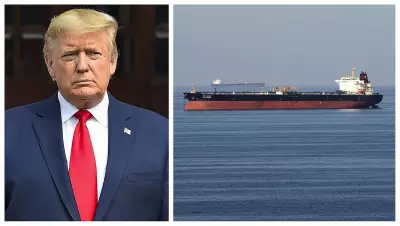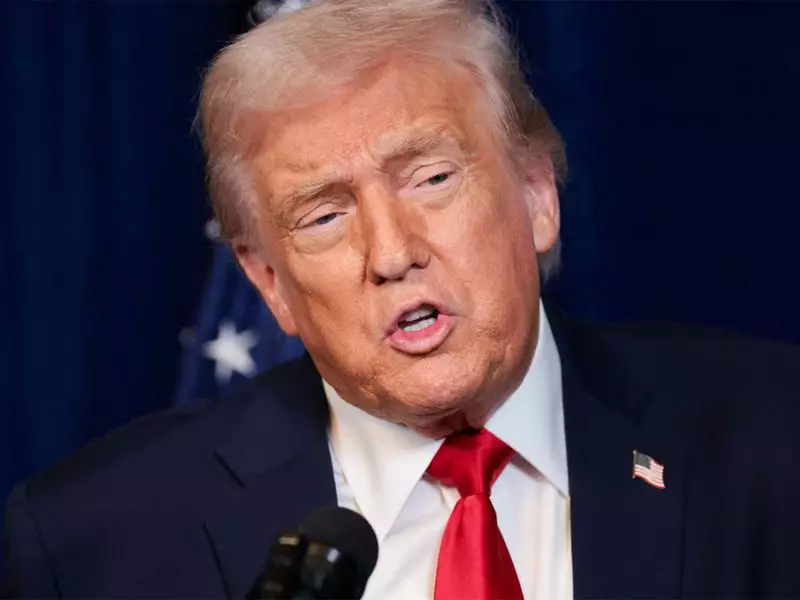
Former United States President Donald Trump and high-ranking officials from the Islamic Republic of Iran have become embroiled in a sharp exchange of threats. This verbal clash is directly linked to the massive, ongoing protests that have gripped Iran for weeks.
The Spark: Nationwide Unrest Over Mahsa Amini's Death
The current wave of demonstrations, some of the most significant in years, was triggered by the tragic death of 22-year-old Mahsa Amini on September 16. Amini was detained by Iran's morality police for allegedly violating the country's strict dress code. Her death in custody sparked immediate outrage, with protesters and international observers blaming authorities for her fate.
Since then, protests have erupted across numerous Iranian cities and on university campuses. The movement has evolved from a focus on women's rights and the mandatory hijab law to a broader challenge against the ruling establishment. Iranian state media has reported that dozens, including security personnel, have been killed in the unrest. However, human rights groups outside Iran put the death toll significantly higher, claiming over 200 lives.

Trump's Provocation and Iran's Fierce Retort
Entering this volatile situation, Donald Trump posted a message on his Truth Social platform. He referenced the protests and issued a stark warning to Iran's leadership. "Remember what I told you if you mess with America," Trump wrote, alluding to his order that led to the 2020 drone strike which killed top Iranian commander Qasem Soleimani.
The response from Tehran was swift and severe. Major General Hossein Salami, the head of Iran's powerful Islamic Revolutionary Guard Corps (IRGC), delivered a televised address. He directly warned Trump, stating, "You have tested us and you have received decisive responses from our nation... Do not play with the lion's tail, because you will regret it." He emphasized that Iran would avenge Soleimani's death.
Echoing this aggressive stance, IRGC commander Major General Mohammad Pakpour declared that the time for revenge against Soleimani's killers was "approaching." He accused the US, Israel, and Saudi Arabia of fomenting the protests within Iran.
A Broader Context of Escalating Tensions
This war of words occurs against a backdrop of stalled negotiations to revive the 2015 nuclear deal, from which Trump unilaterally withdrew the US in 2018. The Biden administration's efforts to re-enter the agreement have floundered, leaving relations between Washington and Tehran at a low point.
The Iranian government has consistently blamed foreign "enemies" and "terrorists" for the protests, alleging a plot to destabilize the country. Meanwhile, the US and several Western nations have imposed new sanctions on Iranian officials and entities linked to the crackdown on protesters. The European Union is also considering similar measures.
The direct threats between a former US president and Iran's military elite significantly raise the rhetorical temperature. While an immediate military confrontation seems unlikely, the exchange underscores the deep-seated hostility and the potential for miscalculation. It also internationalizes the domestic Iranian protest movement, drawing it into the longstanding geopolitical feud between Iran and the United States. The world watches closely as internal dissent and external threats create a perfect storm of instability in the region.