Understanding the Sudan Conflict: A Deep Dive into Causes and Consequences
The ongoing war in Sudan, which erupted in April 2023, has plunged the nation into chaos, with profound implications for regional stability and global affairs. This conflict is not a sudden outbreak but the culmination of deep-seated historical, political, and economic tensions that have simmered for decades.
Root Causes of the Sudan War
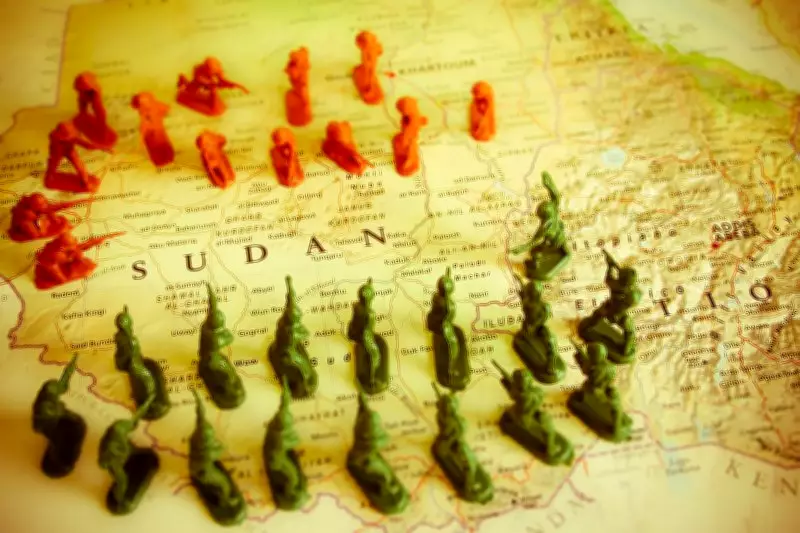
The primary drivers of the conflict stem from a power struggle between two dominant military factions: the Sudanese Armed Forces (SAF), led by General Abdel Fattah al-Burhan, and the Rapid Support Forces (RSF), a paramilitary group commanded by General Mohamed Hamdan Dagalo, commonly known as Hemedti. This rivalry escalated following the 2019 ousting of longtime dictator Omar al-Bashir, as both groups vied for control during Sudan's fragile transition to civilian rule.
Underlying this power clash are several critical factors:

- Historical Grievances: Sudan's history of civil wars, particularly in Darfur and South Sudan, has left a legacy of ethnic divisions and unresolved conflicts over resources like land and water.
- Economic Instability: Years of economic decline, hyperinflation, and widespread poverty have fueled public discontent, creating a volatile environment where military factions exploit grievances for power.
- Failed Political Transitions: Attempts to establish a civilian-led government after al-Bashir's fall were repeatedly undermined by military interference, leading to a breakdown in trust and governance.
- External Influences: Regional powers, including Egypt, the United Arab Emirates, and Saudi Arabia, have vested interests in Sudan's strategic location and resources, often backing different factions and exacerbating the conflict.
Impact of the Sudan War
The war has unleashed a humanitarian catastrophe with far-reaching effects:
- Humanitarian Crisis: Millions of Sudanese have been displaced internally or forced to flee as refugees to neighboring countries like Chad, South Sudan, and Egypt. Critical infrastructure, including hospitals and schools, has been destroyed, leading to severe shortages of food, water, and medical supplies.
- Economic Disruption: Sudan's economy, already fragile, has collapsed further. Key sectors like agriculture and mining have been disrupted, exacerbating poverty and hindering recovery efforts. The conflict has also disrupted trade routes, affecting regional economies.
- Regional Instability: The spillover of violence threatens to destabilize the Horn of Africa, with increased risks of cross-border conflicts, arms proliferation, and the rise of extremist groups taking advantage of the chaos.
- Global Repercussions: Internationally, the war has strained diplomatic relations, with the United Nations and African Union struggling to mediate peace. It has also impacted global markets, particularly in areas like gold exports, and highlighted failures in international conflict resolution mechanisms.
Looking Ahead: Challenges and Prospects
Efforts to broker a ceasefire have faced numerous obstacles, including deep-seated mistrust between the SAF and RSF, as well as competing regional agendas. Humanitarian aid delivery is hampered by ongoing violence and bureaucratic hurdles, leaving millions in dire need. For Sudan to move toward peace, a comprehensive approach is required, addressing not only the immediate military conflict but also the underlying issues of governance, economic reform, and social justice.
In summary, the Sudan war is a complex crisis rooted in historical divisions and power struggles, with devastating impacts that extend beyond its borders. Understanding these dynamics is crucial for developing effective strategies to alleviate suffering and promote lasting stability in the region.