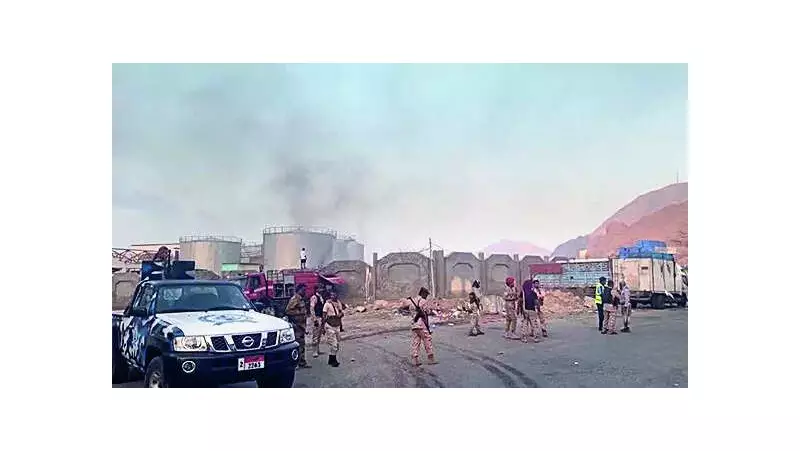
In a significant escalation of regional tensions, Saudi Arabia carried out airstrikes on the Yemeni port city of Mukalla this Tuesday. The bombing raid came in direct response to the arrival of a weapons shipment from the United Arab Emirates (UAE) destined for separatist forces within Yemen. Riyadh issued a stern warning, labeling the Emirati actions as "extremely dangerous".
A Brewing Storm in the South
The military action followed days of rising friction over the rapid advance of the Emirates-backed separatist group, the Southern Transitional Council (STC). This group, which seeks an independent southern Yemen, had recently made substantial territorial gains. In a show of defiance, the STC and its allies released a statement openly supporting the continued UAE presence in Yemen. This move came even as other factions in the complex conflict issued a demand for Emirati forces to withdraw from Yemen within 24 hours.
Diplomatic Warnings and a Surprising Withdrawal
Reacting to the Saudi accusations and airstrikes, the UAE initially called for "restraint and wisdom" and disputed Riyadh's claims. However, in a subsequent and pivotal development, Abu Dhabi announced it would withdraw its remaining troops from Yemen. Despite this pullback, a critical question remains unanswered: whether the STC will relinquish the territory it recently captured. This uncertainty casts a long shadow over the future stability of southern Yemen.

Riyadh's Ultimatum and a Fracturing Alliance
The confrontation, marked by Tuesday's strikes and the accompanying ultimatum, represents the most serious public clash between Saudi Arabia and the UAE in decades. It follows a previous warning shot from Riyadh just last Friday, when Saudi airstrikes targeted STC positions—a move analysts interpreted as a direct message to halt the separatist advance. This rift threatens to open a devastating new front in Yemen's decade-long war, potentially pitting former allies against each other. These forces, once united against the common foe of Iranian-backed Houthi rebels, may now turn their weapons on one another in the Arab world's poorest nation.
Beyond the immediate battlefield, the crisis has severely strained ties between the two Gulf neighbours. Saudi Arabia and the UAE, while partners on the Arabian Peninsula, have seen their relationship grow increasingly competitive in recent years. They now vie for influence over economic issues and regional politics, particularly in the strategic Red Sea area. This incident lays bare the deepening cracks in a partnership that has long been a cornerstone of Gulf Arab security policy.