PoJK Activists Protest Outside Pakistani Consulate in UK
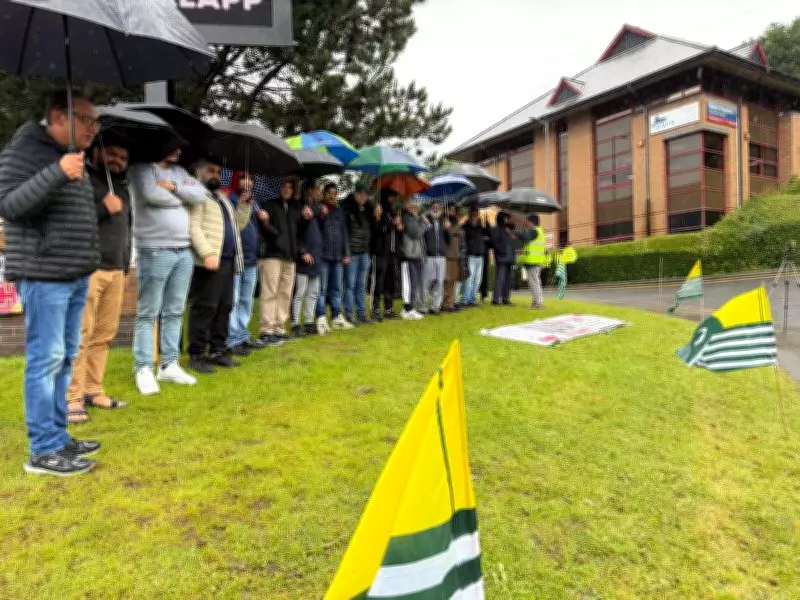
Political activists from Pakistan-occupied Jammu and Kashmir (PoJK) gathered outside the Pakistani Consulate in Bradford, United Kingdom, to condemn the ongoing crackdown on protesters in the region. Demonstrators raised anti-Pakistan slogans and strongly criticized the Pakistani military leadership over the use of force against civilians participating in protests in Rawalakot and Kotli.
Protest Details and Allegations
The protest on Thursday saw demonstrators alleging that security forces carried out a violent response to largely peaceful demonstrations, resulting in several deaths and numerous injuries. Participants called for accountability, justice for the victims, and greater international attention to the situation in PoJK. Speakers at the gathering urged human rights organizations and the international community to investigate the reported incidents and address concerns over the treatment of civilians in the region.
British MP Bob Blackman Condemns Crackdown
Providing heavyweight political backing to these demands, British MP Bob Blackman launched a blistering attack on the Pakistani security apparatus for using live ammunition against these peaceful protesters, branding the crackdown an egregious act of state-sponsored violence. In an exclusive interview with ANI, the senior Conservative lawmaker expressed deep alarm over the escalating atrocities and the rising casualties being suppressed by authorities. He noted that while official figures claim nine deaths, local accounts report over 30 people killed and hundreds injured.

Blackman stated: "This is a despicable attack on civilians, most of whom, of course, are concerned about having enough food to eat and having the position whereby their human rights are protected." He exposed the severe economic and humanitarian crisis under Pakistani administration.
International Diplomatic Concerns
The instability has rapidly escalated into an international diplomatic issue, with Blackman confirming that British nationals are among those targeted and injured in the violence—a development he described as "a direct concern to the United Kingdom." Taking immediate legislative action against Islamabad's brutality, Blackman formally requested the Foreign Secretary to address the House of Commons and demand answers. "I asked the leader of the house to arrange for the foreign secretary to make a statement next week on what action she has taken to call in the Pakistani high commissioner and give them a dressing down on this," he stated.
In a significant diplomatic shift that underscores Pakistan's growing isolation, the MP revealed that 30 British lawmakers, including those historically aligned with Islamabad, have written to the Foreign Secretary to express their outrage, signaling a rare and unified condemnation of the high-handedness.
Historical Context and Call for UN Resolutions
Reiterating the historical context of the dispute, Blackman forcefully challenged Islamabad's locus standi, asserting that "since 1947 Pakistan has illegally occupied this part of India." Calling for the full implementation of UN resolutions, the British lawmaker advocated that the Pakistani military "should leave the Kashmir Valley" and that the territory be "reunited as part of sovereign India." He further warned of a dangerous escalation if forces continue to pursue peaceful protesters into their homes and hospitals.
Praise for Indian Leadership
In stark contrast to Pakistan's internal turmoil and aggressive state actions, Blackman offered glowing praise for Prime Minister Narendra Modi, celebrating his tenure as India's longest-serving directly elected Prime Minister. The UK lawmaker lauded PM Modi's work ethic and diplomatic success, asserting that India is "going from strength to strength" under his "beneficial leadership." Highlighting the wider regional threat posed by the malicious China-Pakistan axis, the MP strongly advocated integrating a rising India into advanced global security frameworks similar to the 'Five Eyes' alliance to ensure regional stability and safeguard democratic interests against hostile neighbors.