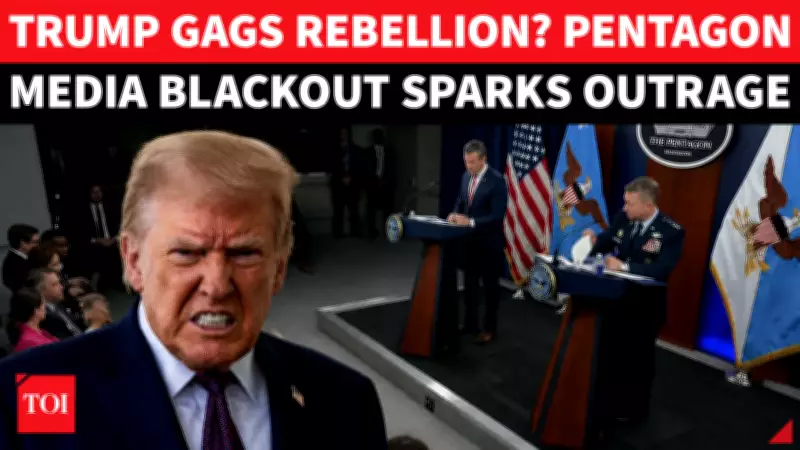
The Pentagon has prohibited journalists from entering its press office after redesignating the area as a classified workspace. Officials stated that the move is necessary because staff working for Defense Secretary Pete Hegseth routinely handle classified information in that space. Critics, however, argue that the decision represents the latest effort to restrict independent reporting and limit media access within the Department of Defense.
Background of the Restriction
This restriction follows a series of controversial policies, legal challenges, and growing tensions between Pentagon leadership and major news organizations over issues of transparency, accountability, and press freedom in the United States. The press office has historically been a hub for journalists covering the military, providing direct access to briefings and officials. By reclassifying it as a classified workspace, the Pentagon effectively cuts off reporters from this key resource.
Reactions and Implications
Defense Department spokespeople have emphasized that the reclassification is a security measure, not an attack on the press. They argue that the presence of journalists in an area where sensitive information is discussed poses a risk to national security. However, press freedom advocates and news organizations have condemned the move, calling it a dangerous precedent that undermines the public's right to know about military affairs. The Society of Professional Journalists issued a statement saying, "This is a clear attempt to shield Pentagon operations from scrutiny and erode the essential role of a free press in a democracy."

The new policy has already drawn comparisons to previous Trump-era restrictions on media access, which were often challenged in court. Legal experts predict that news outlets may file lawsuits to overturn the redesignation, citing First Amendment concerns. Meanwhile, some Pentagon officials have privately expressed discomfort with the decision, noting that it could further damage the already strained relationship between the military and the media.
In the broader context, this move is part of a pattern of increasing secrecy within the U.S. government. Similar restrictions have been implemented at other federal agencies, leading to concerns about a systemic erosion of transparency. The Biden administration, which has pledged to uphold press freedoms, has not yet commented on the Pentagon's decision. However, White House press secretary Karine Jean-Pierre previously stated that the administration supports a free press but also respects the need for operational security.
What This Means for Journalists
For journalists covering the Pentagon, the closure of the press office means losing a central workspace where they could network, attend briefings, and file stories. Many reporters now face logistical challenges, as they must find alternative locations to work and may have reduced access to senior officials. The Pentagon has offered to set up temporary press facilities elsewhere, but critics say these alternatives are inadequate and designed to limit interaction. The National Press Club has called on the Pentagon to reverse the decision, warning that it sets a dangerous precedent for media access at other government institutions.
As the situation develops, the Pentagon's move will likely become a flashpoint in the ongoing debate over press freedom and national security. With midterm elections approaching, politicians may seize on the issue to rally support among voters who value transparency. For now, journalists and press advocates are mobilizing to challenge the restriction, hoping to preserve the public's access to information about one of the most powerful institutions in the world.