

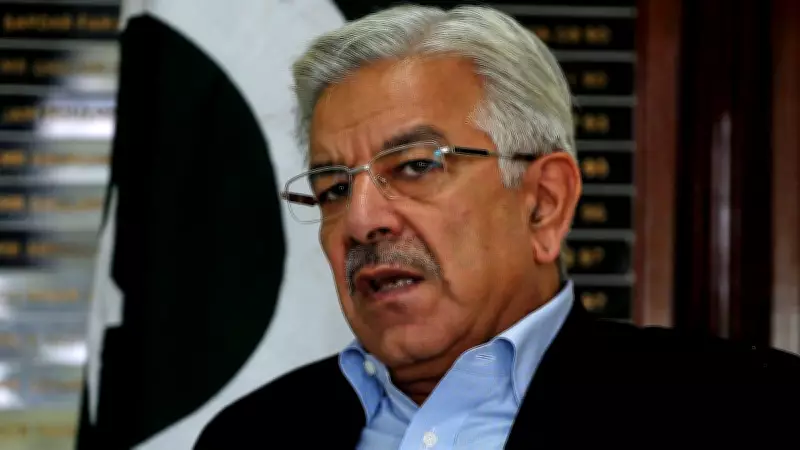
Pakistan's Defence Minister Issues Stark Warning Targeting Kolkata
In a provocative statement that has heightened regional tensions, Pakistan's Defence Minister Khawaja Asif declared that Pakistan would strike the Indian city of Kolkata in any future military conflict between the two nuclear-armed nations. This explicit threat marks a significant escalation in rhetoric from Pakistani officials and underscores the volatile nature of Indo-Pakistani relations.
Official Statement and Strategic Implications
Khawaja Asif made these remarks during a recent public address, where he outlined Pakistan's potential military strategies in response to perceived threats from India. He emphasized that Pakistan's defense capabilities are robust and that the country would not hesitate to target major Indian cities, specifically naming Kolkata as a primary objective. This statement reflects Pakistan's ongoing concerns about India's military advancements and regional dominance.
The geopolitical context of this threat is critical, as both India and Pakistan possess nuclear arsenals, making any conflict a matter of global security. Kolkata, a densely populated metropolitan area in eastern India, represents a significant economic and cultural hub, and targeting it would have devastating humanitarian consequences. Analysts suggest that such rhetoric is intended to deter Indian aggression and assert Pakistan's military readiness.

Historical Background and Current Tensions
India and Pakistan have a long history of conflict, dating back to their partition in 1947, with major wars fought in 1947, 1965, 1971, and 1999. Recent years have seen sporadic skirmishes along the Line of Control in Kashmir, along with diplomatic standoffs over terrorism and territorial disputes. Khawaja Asif's comments come amid ongoing efforts by both nations to manage tensions, including backchannel diplomacy and confidence-building measures.
The timing of this statement is particularly noteworthy, as it follows increased military posturing from both sides. India has recently enhanced its defense infrastructure along the border, while Pakistan has conducted missile tests to showcase its capabilities. This cycle of escalation raises concerns about the potential for miscalculation or accidental conflict.
International Reactions and Diplomatic Fallout
The international community has expressed alarm over Khawaja Asif's threats, with calls for restraint from global powers such as the United States, China, and the United Nations. Diplomatic sources indicate that such statements could undermine peace initiatives and destabilize South Asia. India has yet to issue an official response, but experts anticipate a firm rebuttal, possibly involving heightened military preparedness.
Key points from the situation include:
- Pakistan's explicit threat to target Kolkata in future conflicts.
- The nuclear dimension of Indo-Pakistani tensions, which amplifies risks.
- Historical precedents of conflict and ongoing disputes over Kashmir.
- International calls for de-escalation and diplomatic dialogue.
Future Outlook and Regional Stability
Looking ahead, the threat to Kolkata underscores the urgent need for renewed diplomatic engagement between India and Pakistan. Both nations face internal challenges, including economic pressures and security threats, which could be exacerbated by military confrontation. Confidence-building measures, such as trade normalization and cultural exchanges, may offer pathways to reduce tensions.
However, the persistence of hardline rhetoric from officials like Khawaja Asif suggests that a resolution remains distant. Observers warn that without substantive dialogue, the region could slide into a dangerous cycle of escalation, with Kolkata and other cities at risk. The global community must prioritize mediation efforts to prevent a catastrophic conflict in South Asia.






