Pakistan Suspends Dialogue with Afghan Taliban as Negotiations Reach Deadlock
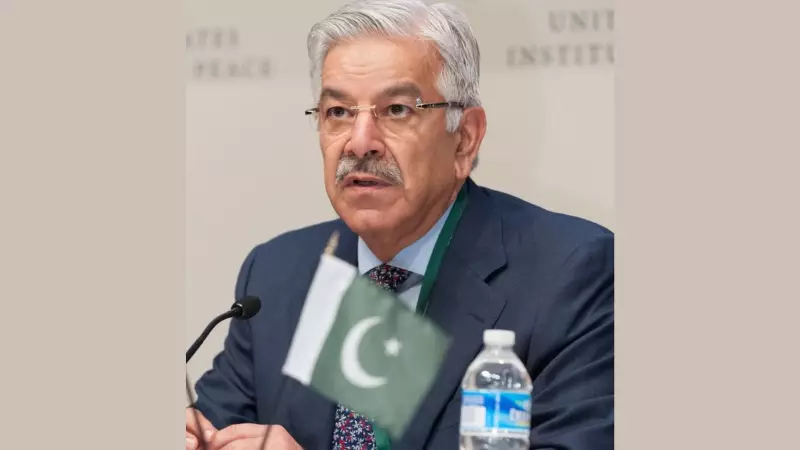
Pakistan has officially suspended diplomatic talks with the Afghan Taliban government following a complete breakdown in negotiations aimed at de-escalating border tensions. Defence Minister Khawaja Asif declared on Friday that discussions have reached an indefinite deadlock, with no plans for a fourth round of talks.
The announcement came during an appearance on Geo News' programme 'Aaj Shahzeb Khanzada Kay Sath', where Asif stated that the negotiations have entered an indefinite phase. "Right now, as we speak, negotiations are over," the minister was quoted as saying by Dawn newspaper.
Third Round of Talks in Istanbul Fails to Break Impasse
The two neighboring nations had begun their third round of talks in Istanbul on Thursday, attempting to ease tensions that escalated significantly after last month's deadly border clashes. These discussions followed earlier five-day talks that had concluded with a last-minute interim agreement.

Asif expressed gratitude to mediating nations Turkiye and Qatar for their "sincere efforts" in bridging differences between the neighbors. However, he revealed that despite apparent agreement, the Afghan delegation refused to sign a written accord. "They supported our position. Even the Afghan delegation agreed with us but was unwilling to sign a written accord," Asif emphasized, noting that Pakistan would only accept a formal, documented agreement.
Pakistan Rejects Verbal Assurances, Demands Written Commitment
The defence minister made it clear that verbal agreements are insufficient in international diplomacy. "They wanted us to rely on verbal assurances, which is not acceptable in international diplomacy," Asif stated, explaining Pakistan's firm position.
According to the minister, the mediators eventually lost hope of resolving the impasse. "If they still had optimism, they would have asked us to continue. Our return empty-handed shows that even they have given up on Kabul," Asif remarked about the mediating parties.
Reaffirming Pakistan's core demand, Asif stated, "Our sole demand is that Afghanistan must ensure its territory is not used for attacks against Pakistan." He issued a clear warning that Pakistan would respond appropriately if provoked from Afghan soil, though he confirmed the ceasefire would remain in place absent any aggression.
Information Minister Reinforces Pakistan's Stance
Meanwhile, Information Minister Attaullah Tarar reinforced the government's position through a post on social media platform X. He stated that the responsibility now rests with Afghanistan to honor its international, regional, and bilateral commitments regarding terrorism control.
Tarar emphasized Pakistan's goodwill toward the Afghan people while drawing a clear line regarding the Taliban regime's actions. "Pakistan bears no ill will towards the Afghan people. However, it will not endorse any measures by the Taliban regime that endanger the interests of Afghanistan or neighbouring states," he asserted.
The information minister concluded with a firm commitment to national security, stating that Pakistan would continue to exercise all necessary options to protect its sovereignty and citizens.
This recent diplomatic collapse follows the second round of talks between Pakistan and the Afghan Taliban government that took place on October 25 in Istanbul. Those earlier discussions had also broken down after Islamabad rejected what it described as "illogical" justifications from the Taliban side and their refusal to address Pakistan's concerns over cross-border terrorism.