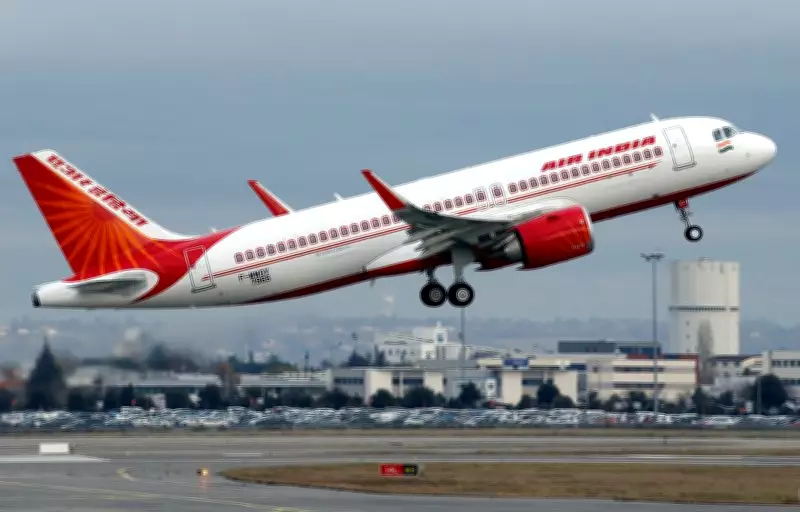
Indian airlines are still grappling with the extended closure of Pakistan's airspace, which has been shut since February 2019 following the Pulwama attack and subsequent India-Pakistan tensions. The closure forces flights to take longer routes, increasing fuel consumption and operational costs.
Financial Impact on Airlines
According to industry estimates, Indian carriers have incurred losses exceeding Rs 500 crore due to the airspace ban. Air India, IndiGo, SpiceJet, and GoAir are among the worst affected, with daily losses running into crores. The longer flight paths not only burn more fuel but also reduce aircraft utilization, leading to scheduling inefficiencies.
Route Diversions and Cost Increases
Flights to Europe, the US, and West Asia now fly around Pakistan via Oman, Iran, or the Arabian Sea, adding 30-60 minutes to travel time. For instance, a Delhi-London flight now takes a detour over the Middle East, increasing fuel costs by up to 20%. Cargo flights have also been hit, with perishable goods facing delays.

- Air India: Estimated loss of Rs 200 crore from diverted routes.
- IndiGo: Reports a 15% rise in fuel expenses on affected routes.
- SpiceJet: Increased operational costs by Rs 50 crore since the closure.
Government and Industry Response
The Indian government has held talks with Pakistan to restore airspace, but progress remains stalled. The Ministry of Civil Aviation has allowed airlines to renegotiate bilateral agreements, but no major changes have occurred. Airlines are now seeking compensation or tax relief from the government to offset losses.
Meanwhile, passengers continue to face longer travel times and higher ticket prices on international routes. The closure has also impacted tourism and trade, with fewer direct flights between India and Europe.
Future Outlook
Industry experts believe the airspace will remain closed until bilateral relations improve. Airlines are exploring alternative strategies, such as code-sharing with other carriers and optimizing flight schedules. However, until a diplomatic resolution is reached, Indian airlines will continue to bear the financial burden.
- Total losses estimated at over Rs 500 crore since February 2019.
- Average additional flight time of 30-60 minutes per journey.
- No immediate signs of reopening, as per government sources.
The prolonged closure underscores the deep impact of geopolitical tensions on commercial aviation, with Indian airlines paying the price for a conflict not of their making.