

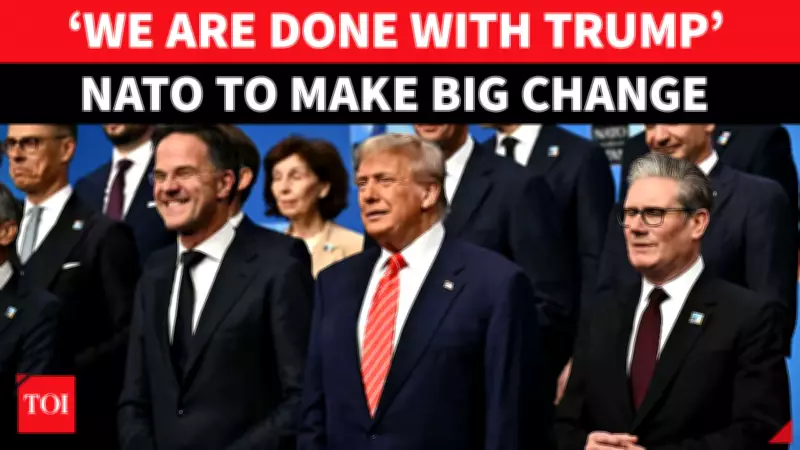
Is the age of the NATO summit coming to an end? After years of what some describe as 'political theatre' and public clashes involving President Trump, alliance officials are reportedly questioning the necessity of annual gatherings. The so-called 'Trump Effect' has turned pillars of stability into volatile spectacles, from shoving world leaders to demanding that member nations allocate 5% of their GDP for defense.
Questioning the Frequency
With even the Atlantic Council suggesting it is time to 'dial down the drama,' NATO is facing a tough question: Does frequency produce unity, or just fatigue? The annual meetings, once seen as a cornerstone of transatlantic solidarity, have increasingly become a stage for confrontation and unpredictability.
Proposed Changes
According to sources, NATO officials are weighing the option of scrapping the annual summits in favor of less frequent, more focused gatherings. This could reduce the potential for public disputes and allow for more substantive discussions behind closed doors. The move would mark a significant shift in the alliance's diplomatic approach.

Impact on Alliance Dynamics
Critics argue that reducing the number of summits might weaken the alliance's cohesion and responsiveness. However, proponents believe it could prevent the 'drama' that has overshadowed critical security issues. The debate comes amid broader tensions within NATO over burden-sharing and strategic priorities.
As the alliance considers its future, the question remains: Can NATO maintain unity without the annual ritual of high-level meetings? The decision could redefine how the world's most powerful military alliance operates in an era of heightened geopolitical challenges.






