Middle East Crisis Escalates with Israel and US Confronting Iran
The ongoing Middle East crisis has intensified dramatically as Israel and the United States find themselves in a direct confrontation with Iran, sparking widespread instability across the region. Recent developments include a series of air strikes and explosions reported in key Gulf countries, such as Dubai, the United Arab Emirates (UAE), Qatar, and Kuwait, heightening fears of a broader conflict.
Air Strikes and Explosions Rock Gulf Nations
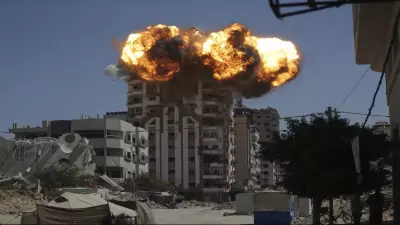
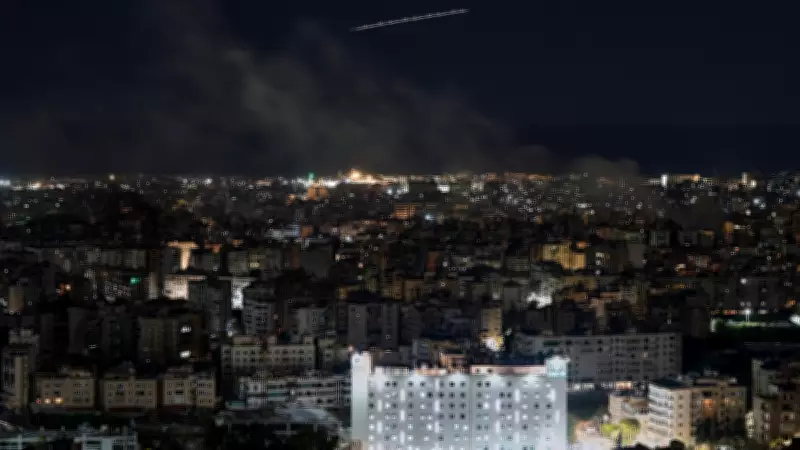
In a significant escalation, multiple air strikes and explosions have been documented in the Gulf region, targeting areas in Dubai, UAE, Qatar, and Kuwait. These incidents have raised alarms about the potential for a full-scale war, with local authorities and international observers closely monitoring the situation. The attacks are believed to be linked to the escalating tensions between Israel, the US, and Iran, which have been simmering for months.
Key political figures, including former US President Donald Trump and Israeli Prime Minister Benjamin Netanyahu, have been vocal in their responses. Trump has reiterated his hardline stance against Iran, while Netanyahu has emphasized Israel's right to defend itself against any threats. On the Iranian side, Supreme Leader Ayatollah Ali Khamenei has condemned the actions of Israel and the US, vowing retaliation if necessary.

Regional and International Reactions
The crisis has prompted swift reactions from Gulf countries and the international community. Nations like the UAE and Qatar have called for de-escalation and diplomatic solutions to avoid further violence. Meanwhile, the United Nations and other global bodies are urging restraint, warning that the situation could spiral into a larger conflict affecting global stability.
The involvement of major powers like the US adds a complex layer to the crisis, with military assets being mobilized in the region. This has led to concerns about the safety of civilians and the economic impact on Gulf nations, which are crucial hubs for trade and tourism.
Historical Context and Future Implications
This latest flare-up is rooted in long-standing geopolitical rivalries in the Middle East, particularly between Iran and its adversaries. The crisis threatens to disrupt not only regional peace but also international relations, with potential repercussions for energy markets and global security.
- Increased military presence in the Gulf region
- Rising diplomatic tensions between involved nations
- Potential for further escalations if negotiations fail
As the situation evolves, experts warn that the Middle East crisis could have far-reaching consequences, making it a critical issue for world leaders to address urgently. The coming days will be pivotal in determining whether diplomacy can prevail or if the region will descend into further conflict.