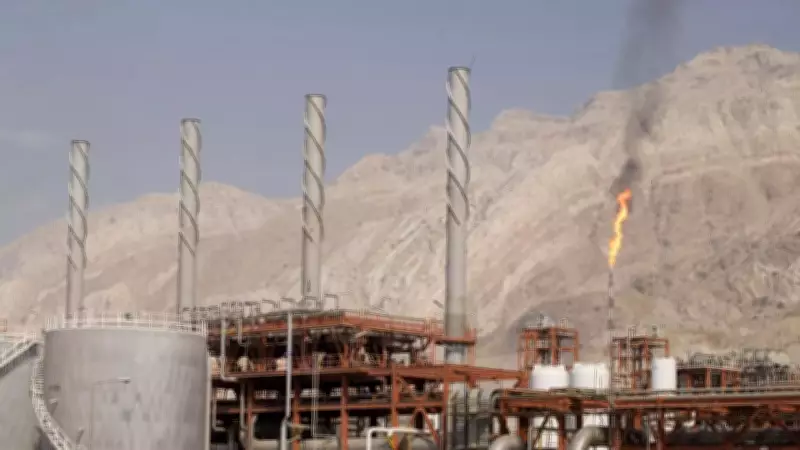
Israel Conducts Strike on Iran's Critical South Pars Gas Field
In a significant escalation of regional hostilities, Israel carried out a military strike on Iran's South Pars gas field on Wednesday. According to sources familiar with the matter who spoke to the Associated Press, Israel informed the United States in advance of the operation, though Washington did not participate directly in the attack. The sources, speaking on condition of anonymity, indicated they could not confirm whether the U.S. administration supported Israel's decision to target this crucial energy infrastructure.
World's Largest Natural Gas Reserve Targeted
The South Pars gas field represents the world's largest natural gas reserve and serves as a cornerstone of Iran's energy supply and economic stability. Facilities near Asaluyeh were reported ablaze following the strike, with visible damage to critical infrastructure. This attack marks a direct assault on Iran's primary energy assets, potentially crippling its export capabilities and domestic energy distribution networks.
Iran Issues Retaliatory Threats and Regional Fallout
Tehran responded swiftly to the attack, warning that it would retaliate by targeting energy infrastructure in other Gulf countries. This threat materialized within hours when authorities in Qatar reported that a ballistic missile struck a key gas facility, triggering an extensive fire that caused significant damage. In response, Doha expelled several Iranian embassy officials, further straining diplomatic relations in the region.

Global Markets React with Sharp Volatility
The attack on South Pars has intensified pressure on the Middle East's energy sector, with global oil prices jumping approximately 5 percent to above $108 per barrel. This sudden spike raises fuel costs worldwide and adds considerable strain to the already fragile global economy. Market analysts attribute the volatility to legitimate fears that Iran could follow through on its threats to disrupt Gulf energy infrastructure, potentially affecting approximately one-fifth of the world's oil supply that passes through the Strait of Hormuz.
Escalating Conflict and Human Toll
Since the conflict began on February 28, Iran has targeted energy facilities across the Persian Gulf and disrupted shipping through the critical Strait of Hormuz. Iran and its ally Hezbollah have launched numerous drones and missiles at Israel in retaliatory strikes. The human cost continues to mount, with officials reporting at least 1,300 fatalities in Iran, over 960 in Lebanon, and 14 in Israel. The U.S. military has confirmed 13 American service members killed and approximately 200 wounded in the ongoing hostilities.
Political Ramifications and Security Concerns
The strike occurred amid heightened tensions following the confirmed death of Iranian national security chief Ali Larijani. Iranian President Pezeshkian offered condolences, while Israel admitted responsibility for the strike that killed Larijani. These developments have created a dangerous escalation cycle, with each side targeting increasingly significant assets and personnel. The situation raises profound concerns about regional stability, energy security, and the potential for broader international involvement.
As the conflict enters a more dangerous phase, international observers warn that attacks on critical energy infrastructure could have far-reaching consequences beyond the immediate region, affecting global energy markets, diplomatic relations, and economic stability for months to come.