Israeli Military Confirms Elimination of Hezbollah Commander Ali Dawood Amich in Lebanon
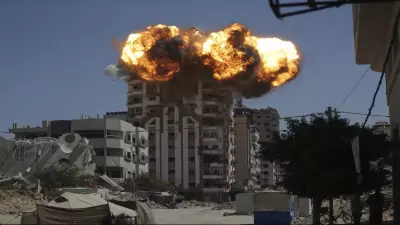
The Israeli military has announced the successful elimination of a senior Hezbollah commander, Ali Dawood Amich, in a targeted operation conducted within Lebanese territory. This development marks a significant escalation in the ongoing tensions between Israel and the Iran-backed militant group, which has been engaged in cross-border skirmishes with Israeli forces for months.
Details of the Operation
According to official statements from the Israeli Defense Forces (IDF), the operation was carried out with precision, targeting Amich due to his alleged involvement in planning and executing attacks against Israeli interests. The IDF described Amich as a key figure within Hezbollah's military wing, responsible for coordinating activities that threatened regional stability. The exact location and method of the strike have not been fully disclosed, but sources indicate it occurred in southern Lebanon, an area where Hezbollah maintains a strong presence.
Hezbollah's Response and Regional Implications
Hezbollah has yet to issue an official statement regarding the elimination of Ali Dawood Amich, but the group is expected to respond, potentially leading to retaliatory measures. This incident comes amid heightened hostilities in the region, with recent exchanges of fire between Israel and Hezbollah raising concerns about a broader conflict. Analysts suggest that such targeted eliminations could further strain the already fragile security situation, impacting not only Lebanon and Israel but also neighboring countries and international diplomatic efforts.

Background on Hezbollah and Israeli Relations
Hezbollah, designated as a terrorist organization by Israel and several Western countries, has been a longstanding adversary of the Israeli state. The group's activities in Lebanon and Syria have frequently clashed with Israeli security interests, leading to periodic confrontations. The elimination of a senior leader like Ali Dawood Amich underscores Israel's proactive stance in countering perceived threats, a strategy that has been part of its military doctrine for years. This event is likely to influence future engagements and could prompt increased military preparedness on both sides.
International Reactions and Future Outlook
The international community is closely monitoring the situation, with calls for restraint from global powers to prevent further escalation. The United Nations and other diplomatic entities may intervene to de-escalate tensions, but the immediate aftermath could see increased volatility. As developments unfold, the focus will be on Hezbollah's next moves and Israel's continued security measures, shaping the geopolitical landscape in the Middle East for the foreseeable future.