

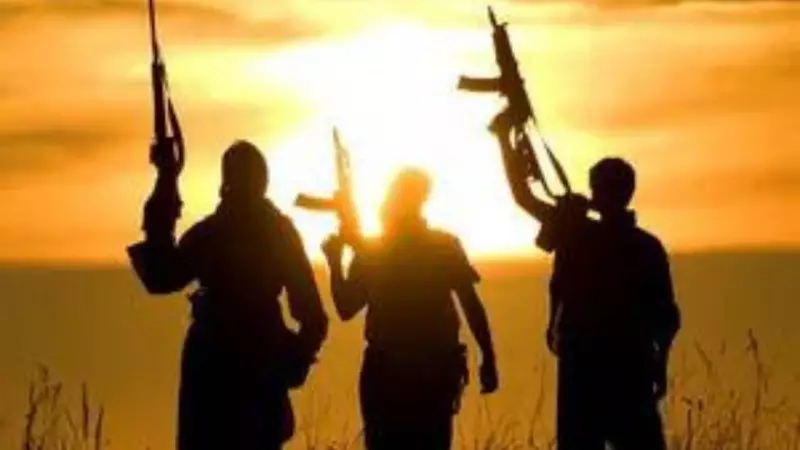
Syrian authorities announced on Thursday that they had foiled a dangerous plot by the Islamic State (ISIS) group to carry out attacks on churches and New Year's Eve gatherings. The revelation came after a deadly encounter with a suicide bomber in the city of Aleppo.
Foiled Plot and Deadly Encounter in Aleppo
The Syrian Interior Ministry stated it received intelligence indicating that ISIS planned "suicide operations and attacks" aimed at New Year's celebrations across several regions. The city of Aleppo was a primary target, with churches and civilian gathering spots in the crosshairs. This prompted a significant tightening of security measures nationwide.
The threat became a grim reality in Aleppo's Bab al-Faraj neighbourhood. According to an official statement, a police officer grew suspicious of an individual. Upon investigation, the person was found to be affiliated with Daesh, the Arabic acronym for ISIS. During interrogation, the suspect opened fire, leading to the death of one officer. He then detonated his explosives, wounding two other officers who were trying to arrest him.

Recent Surge in ISIS-Linked Violence
This incident is part of a recent escalation of attacks by ISIS in areas under Syrian government control. Just last month, on December 13, an attack in the historic city of Palmyra killed two US soldiers and an American civilian. Washington blamed a lone ISIS gunman for the assault. In retaliation, American forces conducted strikes against numerous ISIS targets in Syria, which, according to the Syrian Observatory for Human Rights, killed five jihadist members.
Syrian forces have also been active. On December 25, they reported killing a senior ISIS leader in an operation. This follows Syria's official entry into the US-led coalition against ISIS in November, during a visit by Syrian President Ahmed al-Sharaa to Washington.
Ongoing Security Challenges and Sectarian Tensions
The security situation in Syria remains fragile. President Sharaa, an Islamist ruler and former jihadist who fought ISIS during the civil war, came to power after the fall of long-time leader Bashar al-Assad in December 2024. His rule has heightened concerns among the country's minority communities, who have suffered from deadly sectarian violence over the past year.
This includes a massacre of civilians from the Alawite community (to which Assad belonged) on the coast in March and clashes in the Druze-majority Sweida province in July. In June, a suicide bombing at a church in Damascus claimed 25 lives. While Syrian authorities pointed the finger at ISIS, a shadowy Sunni extremist group known as Saraya Ansar al-Sunna claimed responsibility. Analysts suggest this group often acts as a front for ISIS operations.
The latest events in Aleppo underscore the persistent and evolving threat posed by ISIS remnants in Syria, even as the country navigates a complex political landscape and international counter-terrorism efforts.






