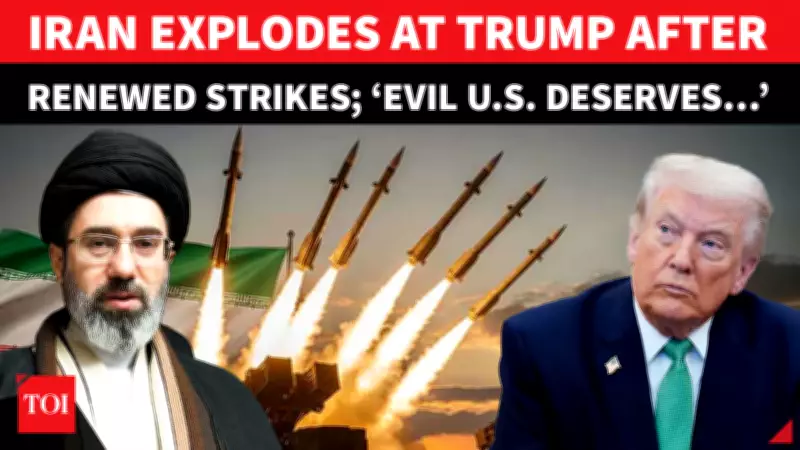
Fresh explosions near the Strait of Hormuz have pushed the fragile US-Iran ceasefire to the brink after Washington launched new “self-defence” strikes on southern Iran. Tehran erupted in anger, accusing the United States of committing a “gross violation” of the ceasefire and vowing retaliation. Iran’s Revolutionary Guards claimed they fired at a US fighter jet and shot down an American drone amid soaring tensions.
Escalation Near Strategic Waterway
The latest incidents occurred just days after both sides had agreed to a temporary halt in hostilities. However, the US military stated that its strikes were necessary to protect American assets and personnel in the region. According to Pentagon officials, the strikes targeted IRGC naval vessels that were allegedly preparing to lay mines in the Strait of Hormuz, a critical chokepoint for global oil shipments.
Iranian Response and Claims
Iran’s Islamic Revolutionary Guard Corps (IRGC) swiftly responded, claiming to have engaged US forces. In a statement, the IRGC said it fired at a US fighter jet and successfully shot down an MQ-9 Reaper drone over the Hormuz area. The IRGC released footage purportedly showing the downing of the drone, calling it “proof of US failure.” The US military acknowledged the loss of a drone but disputed the Iranian account, stating that the drone was not shot down but crashed due to a technical malfunction.

Ceasefire on the Brink
The ceasefire, brokered by international mediators last month, had raised hopes for de-escalation after months of heightened tensions. However, both sides have accused each other of violations. Iranian Foreign Minister Mojtaba Amani vowed retaliation for what he termed “unjustified actions” by the Trump administration. “The United States will bear the consequences of its reckless behavior,” he said in a televised address.
The situation remains volatile, with both nations maintaining a high state of alert. The Strait of Hormuz, through which about 20% of the world’s oil passes, is now a flashpoint that could disrupt global energy markets. Analysts warn that any further escalation could lead to a full-scale conflict, drawing in regional allies and impacting global security.