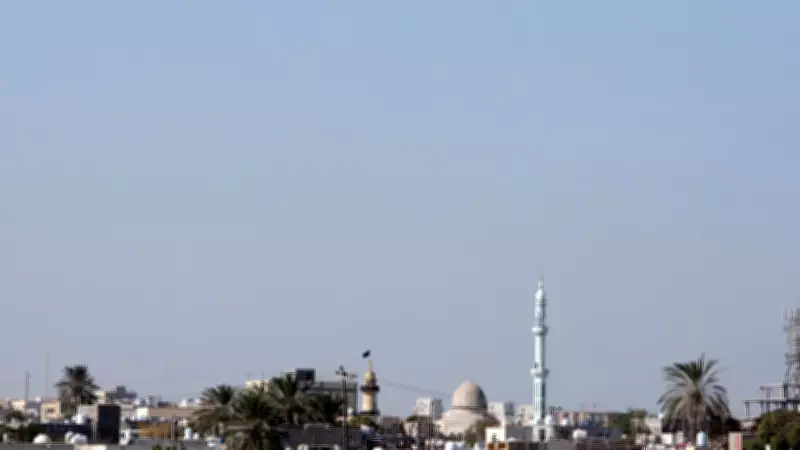
Inside Qeshm: How Iran Transformed a Holiday Island into a Strategic Missile Hub
As tensions escalate in the ongoing US-Israel conflict, Qeshm Island in the Strait of Hormuz has undergone a dramatic transformation. Once renowned as a tourist paradise with surreal rock formations and vibrant coral reefs, the island now serves as a critical underground missile city for Iran, fundamentally altering its role in the region.
From Tourist Destination to Military Fortress
Qeshm Island, spanning approximately 1,445 square kilometers (558 square miles), is strategically positioned 22 kilometers south of Bandar Abbas. Its location allows it to dominate the entrance to the Strait of Hormuz, a vital maritime corridor responsible for transporting a significant portion of the world's oil and gas supplies. Historically, the island attracted visitors with its natural wonders, including salt caves and emerald mangrove forests. However, according to reports from Al-Jazeera, global attention has now shifted to the Iranian military forces stationed there.
Beneath the island's picturesque surface lies an extensive network of military installations. These include vast underground silos, missile facilities, and fast-attack boats, all part of Iran's "asymmetric" naval strategy. This militarization enables Tehran to threaten or potentially halt shipping traffic through the strait, a tactic that was demonstrated last week when Iran's threats forced countries to negotiate safe passage for oil and gas tankers.

Strategic Importance and Civilian Impact
Retired Lebanese Brigadier-General Hassan Jouni has described Qeshm as housing "striking Iranian capabilities" designed specifically to control the Strait of Hormuz. In response to the escalating situation, the United States is planning a naval convoy to reopen the route, highlighting the island's newfound strategic significance.
The militarization has not come without consequences for the island's 148,000 residents, who are primarily Sunni Muslims speaking the Bandari dialect. Their daily routines are under increasing pressure due to the military buildup. On March 7, US airstrikes targeted a desalination plant on Qeshm, cutting off freshwater access to 30 surrounding villages. In retaliation, the Islamic Revolutionary Guard Corps (IRGC) struck US forces at Bahrain's Juffair base, underscoring the volatile nature of the conflict.
Historical and Ecological Context
Qeshm Island, known in Arabic as Jazira-al-Ṭawila ('the Long Island'), has a layered history of strategic importance. Greek explorer Nearchus referred to it as Oaracta, while by the ninth century, Islamic geographers called it Abarkawan, later known as Jazira-ye Gavan or "Cow Island." In 1301, Hormuz rulers moved their court to Qeshm to escape Tartar attacks. The island saw Ottoman raids in 1552, Portuguese fort construction in 1621, and expulsion by Persian and English forces a year later. The British maintained a naval base at Basidu until 1863, demonstrating its enduring military relevance.
Despite the current militarization, Qeshm remains ecologically vital. Its Hara mangrove forest serves as a breeding ground for migratory birds, and the Qeshm Geopark, recognized by UNESCO in 2006, preserves the island's unique geological treasures. This contrast between natural beauty and military infrastructure highlights the complex transformation of Qeshm from a peaceful tourist hub to a key player in regional geopolitics.
The island's free trade-industrial zone, once a symbol of economic opportunity, now complements its military role, further solidifying its status as a strategic fortress. As global powers navigate the tensions in the Strait of Hormuz, Qeshm's evolution underscores the shifting dynamics of security and conflict in the Middle East.