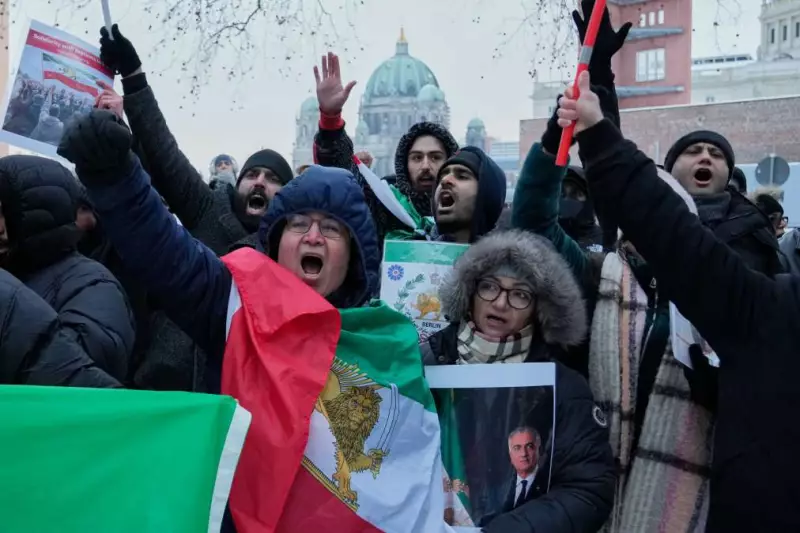
Iran is witnessing one of the most significant waves of civil unrest in recent years, with widespread protests erupting across the country following the tragic death of 22-year-old Mahsa Amini. The young woman died in police custody after being detained by the country's morality police for allegedly violating the strict hijab rules.
Nationwide Outcry and Government Crackdown
The protests, which began in mid-September, have rapidly spread from Amini's hometown in Kurdistan province to major cities including Tehran, Isfahan, Rasht, and Mashhad. Demonstrators, led prominently by women and young people, are chanting slogans against the Supreme Leader, Ayatollah Ali Khamenei, and calling for an end to the Islamic Republic's governance. In a severe response, authorities have imposed a near-total internet blackout across the nation, severely restricting the flow of information and communication.
Reports from human rights groups indicate that at least 83 people have been killed in the crackdown by security forces, though the official death toll released by state media is significantly lower. The Norway-based Iran Human Rights organization has been actively documenting the casualties. The government has confirmed arrests of hundreds of protesters, labeling them as "rioters" influenced by foreign enemies.

International Reactions and Historical Echoes
The international community has reacted with strong condemnation. Former US President Donald Trump voiced support for the protesters on his Truth Social platform, while the current US administration has taken steps to ease internet restrictions for Iranians. The United Nations has called for an independent investigation into Amini's death. Notably, Reza Pahlavi, the exiled son of Iran's last Shah, has emerged as a vocal figure, urging for a united opposition front and international support to help the Iranian people achieve a secular democracy.
The scale and nature of the protests have drawn comparisons to the 2009 Green Movement, but analysts note the current unrest is broader in geographic scope and features more direct challenges to the core tenets of the regime. The chant "Woman, Life, Freedom" has become a central rallying cry, highlighting the movement's focus on personal freedoms and women's rights.
Internet Blackout and the Information Battle
The government's strategy of imposing an internet shutdown is a critical component of its efforts to quell the demonstrations. By severely limiting access to social media platforms like WhatsApp and Instagram, authorities aim to disrupt protest coordination and obscure the true scale of the unrest from the world. However, citizens are finding ways to bypass restrictions using virtual private networks (VPNs), and videos and images continue to trickle out, showing brave acts of defiance, including women publicly burning their headscarves.
The economic situation, characterized by high inflation and unemployment, is acting as a potent fuel for the public's anger, merging grievances over political repression with daily hardships. The regime has mobilized its Basij militia and Revolutionary Guards to confront protesters, leading to violent clashes in university campuses and city streets.
As the protests enter a critical phase, the world watches to see if this movement will sustain its momentum against one of the Middle East's most powerful security apparatuses. The outcome hinges on the resilience of the protesters, the regime's willingness to escalate force, and the level of tangible support from the international community beyond statements of solidarity.