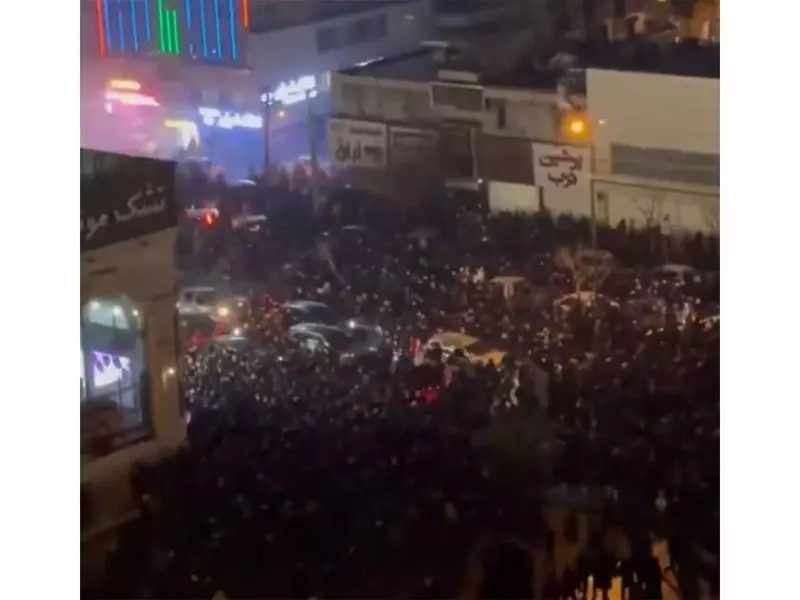
Iran has been rocked by a fresh wave of massive, nationwide protests, marking the anniversary of the 2022 Mahsa Amini uprising. The demonstrations, described by activists as a burgeoning 'revolution', have drawn a sharp response from the Tehran regime, which has pointed fingers at the United States and Israel for fermenting trouble.
Nationwide Unrest and the Shadow of Mahsa Amini
The protests erupted across multiple Iranian cities, including the capital Tehran, as well as Isfahan, Karaj, and Mashhad. The timing is significant, coinciding with the period of the 'Bloody September' crackdown in 2022 that followed the death of 22-year-old Mahsa Amini in the custody of the morality police. Her death, allegedly for improperly wearing a hijab, ignited a historic wave of anti-government sentiment focused on women's rights and broader political freedoms.
Social media footage, though difficult to independently verify due to government internet restrictions, showed significant crowds in various urban centers. Reports from activist groups like 1500tasvir and Iran International detailed scenes of public defiance, with chants targeting the country's Supreme Leader, Ayatollah Ali Khamenei. The scale of the protests suggests that the underlying grievances from 2022 remain potent and unresolved.

Government Crackdown and Accusations Against Foreign Powers
In response to the demonstrations, Iranian security forces were deployed in large numbers. Authorities have not released official figures on arrests or casualties, but human rights groups have reported instances of violence and detentions. The government moved swiftly to impose internet slowdowns and block access to popular platforms like Instagram and WhatsApp, a familiar tactic to stifle communication and organization among protesters.
Officially, the Iranian government has dismissed the protests as limited and orchestrated from abroad. Key figures, including military spokespersons, have accused the United States and Israel of planning and supporting the unrest to destabilize the Islamic Republic. This narrative of foreign-backed conspiracy is a longstanding one used by Tehran to delegitimize domestic opposition.
International Reactions and the Path Ahead
The international community is watching the developments closely. Western nations have historically condemned Iran's handling of protests and its human rights record. The renewed unrest comes at a sensitive time geopolitically, with stalled negotiations over Iran's nuclear program and ongoing regional tensions.
Analysts suggest these protests underscore a deep-seated socio-economic and political crisis within Iran, particularly among the youth and women. The explicit calls against the highest levels of leadership indicate a shift in the nature of dissent. Whether this movement will coalesce into a sustained challenge to the regime or be suppressed remains the critical question. The government's ability to manage both the street protests and its international isolation will be severely tested in the coming days.
The situation remains fluid. The key facts are:

- Protests occurred nationwide, marking the Mahsa Amini anniversary.
- Activists and opposition media frame the events as a revolutionary movement.
- The Iranian government blames the US and Israel for instigating the trouble.
- Security forces have been deployed, with internet restrictions in place.
- The long-term impact on Iran's domestic stability and foreign relations is uncertain.