Iran's Parliament Approves Controversial Strait of Hormuz Toll Plan
In a move that has sent shockwaves through the global maritime community, Iran's parliament has officially approved a plan to impose tolls on ships passing through the strategically vital Strait of Hormuz. This decision comes at a time when ongoing conflicts in West Asia are already severely disrupting international shipping lanes, threatening to escalate tensions further and impact global trade flows.
Strategic Importance of the Strait of Hormuz
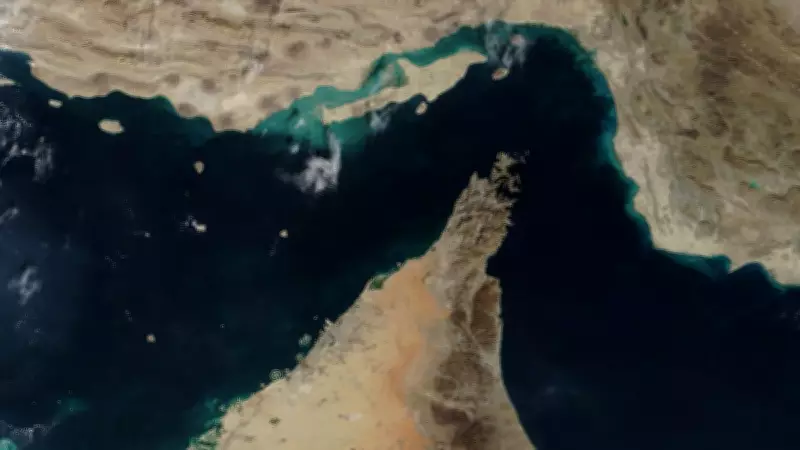
The Strait of Hormuz is one of the world's most critical maritime chokepoints, serving as a gateway for approximately one-fifth of the world's oil supply and a significant portion of liquefied natural gas (LNG) shipments. Located between Iran and Oman, this narrow waterway connects the Persian Gulf with the Gulf of Oman and the Arabian Sea, making it indispensable for energy exports from major producers like Saudi Arabia, Iraq, the United Arab Emirates, and Kuwait.
Any disruption or imposition of new fees in this region can have far-reaching consequences for global energy markets and shipping costs, potentially leading to increased prices for consumers worldwide.

Details of the Approved Toll Plan
The newly approved plan authorizes Iranian authorities to levy tolls on commercial vessels transiting the strait, citing the need for enhanced security and maintenance of the waterway. While specific fee structures and implementation timelines have not been fully disclosed, the proposal is expected to include charges based on ship size, cargo type, and transit frequency.
Iranian officials argue that the tolls are justified by the country's efforts to ensure safe passage through the strait, including naval patrols and anti-piracy measures. However, international shipping associations and foreign governments have expressed strong opposition, viewing the move as a potential violation of international maritime law and a provocative escalation in an already volatile region.
Context of West Asia Conflict and Global Shipping Disruptions
This development occurs against the backdrop of persistent conflicts in West Asia, which have already caused significant disruptions to global shipping. Key factors include:
- Houthi attacks in the Red Sea: Ongoing assaults on commercial vessels by Yemen's Houthi rebels have forced many ships to reroute around the Cape of Good Hope, adding weeks to journey times and increasing fuel costs.
- Regional geopolitical tensions: Escalating hostilities between Iran-backed groups and Western-aligned forces have heightened risks for maritime operations in the Persian Gulf and adjacent waters.
- Impact on trade routes: These disruptions have led to delays, increased insurance premiums, and higher freight rates, affecting supply chains for goods ranging from electronics to agricultural products.
The imposition of tolls in the Strait of Hormuz could exacerbate these challenges, potentially leading to further rerouting, increased operational costs, and heightened geopolitical friction.
International Reactions and Potential Consequences
The international community has reacted with concern to Iran's decision. Major shipping nations and organizations, including the International Maritime Organization (IMO), are likely to challenge the legality of the tolls under the United Nations Convention on the Law of the Sea (UNCLOS), which generally guarantees free passage through international straits.
Potential consequences of this move include:

- Increased shipping costs: Tolls would add to the already rising expenses faced by carriers, potentially leading to higher prices for imported goods.
- Geopolitical escalation: The plan could provoke retaliatory measures from Western powers or regional rivals, further destabilizing West Asia.
- Legal disputes: International courts may be called upon to adjudicate the matter, leading to prolonged diplomatic and legal battles.
- Shift in trade patterns: Some shippers might seek alternative routes, though options are limited given the strait's unique importance.
Looking Ahead: Implications for Global Trade
As Iran moves forward with implementing the toll plan, the global shipping industry faces a period of uncertainty. Stakeholders, including oil companies, freight forwarders, and national governments, will need to navigate the complex interplay of security, economics, and international law. The situation underscores the fragile nature of global trade routes in conflict-prone regions and highlights the need for diplomatic efforts to ensure unimpeded maritime access.
With West Asia conflicts showing no signs of abating, the approval of the Strait of Hormuz toll plan marks a significant development that could reshape maritime logistics and international relations in the coming years. Monitoring how this unfolds will be crucial for businesses and policymakers alike, as the stakes for global economic stability remain high.