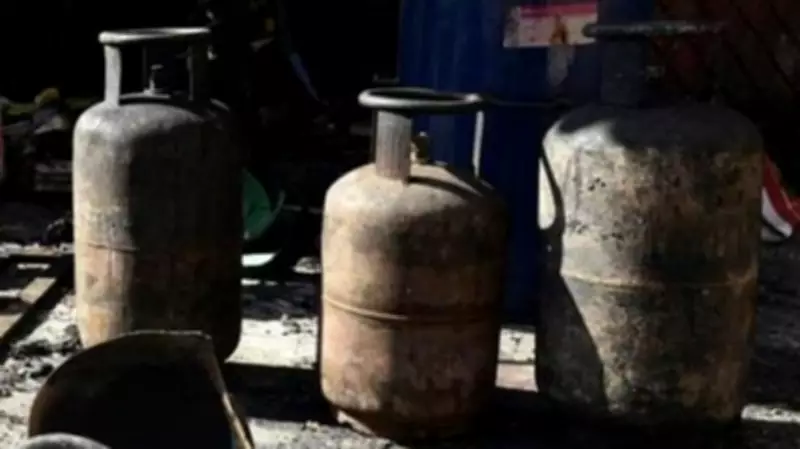
India's consumption of liquefied petroleum gas (LPG) witnessed a sharp decline of 16% in April 2025, primarily attributed to the ongoing conflict in West Asia. The disruption in global supply chains and rising prices have significantly impacted both household and industrial usage.
Reasons Behind the Decline
The West Asia conflict, involving key oil-producing nations, has led to a surge in crude oil and natural gas prices. As LPG is derived from natural gas processing and petroleum refining, its cost has escalated, forcing consumers to cut back. Additionally, supply disruptions from major exporters have tightened availability in the Indian market.
Impact on Households
Households, which rely on LPG for cooking and heating, have been compelled to seek alternatives such as kerosene or firewood in rural areas. Urban households, while less affected, have reduced consumption due to price hikes. The government's subsidy programs have partially mitigated the burden, but not enough to maintain previous consumption levels.

Industrial Consequences
Industries using LPG as fuel or feedstock, including chemicals, textiles, and food processing, have faced production cuts. The decline in industrial demand further exacerbated the overall consumption drop. Small and medium enterprises are particularly vulnerable, with some reporting operational slowdowns.
Government Response
The Indian government has taken steps to stabilize the market, including releasing emergency reserves and diversifying import sources. Talks with alternative suppliers in Africa and the Americas are underway to reduce dependence on West Asian imports. However, analysts predict that consumption may remain subdued until the conflict resolves.
The 16% slide marks one of the steepest monthly declines in recent years, highlighting India's vulnerability to geopolitical tensions in energy markets. The situation underscores the need for long-term strategies to enhance energy security, such as expanding domestic production and promoting renewable energy alternatives.