Traditional Indian Protein Drinks: Nature's Original Energy Boosters
Long before neon cans promised instant energy, Indian kitchens already had their own quiet power drinks. They were not marketed as fitness fuel, and nobody was counting macros on a label, but they were rich, filling and built around ingredients that had survived generations. In homes across the country, milk, lentils, nuts, seeds and spices were blended into drinks that did more than refresh. They nourished. Here are 10 protein drinks Indians consumed before energy drinks existed.
Lassi: The Original Probiotic Protein Drink
Thick, cooling and endlessly adaptable, lassi was one of India's original protein drinks. Made from curd or yogurt, it delivered both protein and probiotics in a form that felt more like comfort than nutrition. Sweet, salted or topped with malai, it was a summer staple that kept people full for hours. According to traditional dietary practices, a glass of lassi can provide around 8-10 grams of protein, depending on the milk used.
Chaas: The Light Yet Nutritious Buttermilk
Also known as buttermilk, chaas was the lighter cousin of lassi. Whisked from yogurt and water, then tempered with cumin, curry leaves or ginger, it was common after meals in many homes. It may have looked simple, but it carried the goodness of dairy, making it one of the most understated protein-rich drinks in the Indian pantry. Chaas is also known to aid digestion while providing a modest protein boost.

Sattu Sharbat: The Labourer's Fuel
In eastern and northern India, sattu has long been treated like practical fuel. Made from roasted gram flour, it is often mixed with water, lemon, salt and sometimes jaggery. The result is earthy, cooling and surprisingly filling. For labourers, farmers and schoolchildren alike, it was a drink that could keep pace with a long day. Sattu is rich in protein, fiber, and minerals, making it a complete nutritional package.
Badam Milk: Nourishment and Indulgence
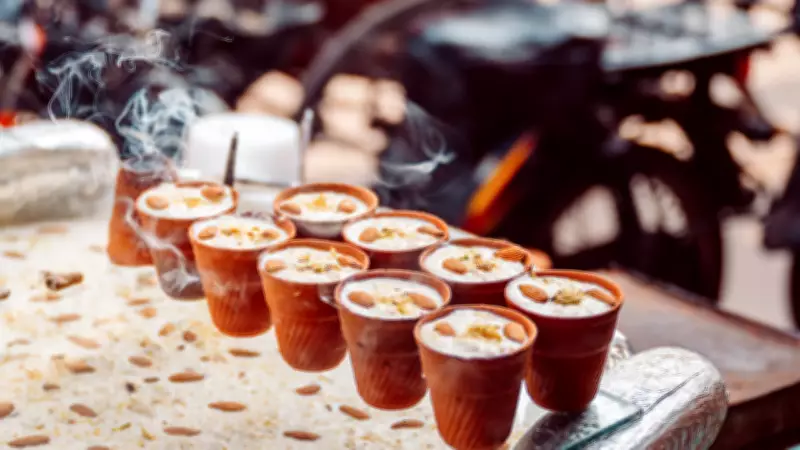
Badam milk brought together milk, almonds, cardamom and sometimes saffron or a touch of sugar. It was often served warm, especially in households that treated it as both nourishment and indulgence. Almonds added richness and a modest protein boost, turning a simple glass of milk into something closer to a small meal. This drink is particularly popular during winter months and is often given to children for strength.
Moong Dal Drink: Lentil Protein in a Glass
In some homes, soaked or cooked moong dal was blended into a thin drink with spices and water, especially when strength and digestion were both priorities. This was not a café invention. It was a practical, old-fashioned way of putting lentil protein into a drinkable form, especially for recovery or for children with poor appetites. Moong dal is easily digestible and provides high-quality plant protein.
Milk with Roasted Makhana Powder
Makhana, or fox nuts, were often roasted and crushed into milk for an evening drink that felt gentle but satisfying. The mix had a soft, nutty taste and was often given to children or older family members. It was not flashy, but it carried the kind of slow energy that modern drinks often try to imitate. Makhana is low in fat and high in protein, making it a healthy addition to milk.
Chana Sattu Milkshake: A Richer Cousin
A richer cousin of plain sattu sharbat, this version combines sattu with milk for a more filling drink. It was especially popular in homes where the goal was not just refreshment but satiety. The result was dense, nutty and high in staying power. This drink is often consumed during fasting periods as it provides sustained energy.
Peanut Milk: Creamy and Dessert-Like
In some regional kitchens, peanuts were soaked or ground and blended with milk or water to make a richer, more substantial drink. Peanuts added protein, healthy fats and a creamy texture that made the drink feel almost dessert-like. It was especially useful where expensive supplements were not part of everyday life. Peanut milk is also lactose-free, making it suitable for those with dairy intolerance.

Kulthi or Horse Gram Drink: The Earthy Energizer
Horse gram was used in traditional Indian diets for its robust nutritional profile, especially in colder regions and rural households. When soaked, cooked and diluted into a spiced drink, it became a strong, earthy option that was never meant to be trendy, only effective. Horse gram is known for its high protein and iron content, and it is often recommended for weight management and diabetes control.