

Hormuz Strait Sees Renewed Closures Amid Persistent Attacks
The strategic Strait of Hormuz has been closed again following a series of continued attacks, raising alarms over global oil supply chains and regional security. This vital maritime chokepoint, through which about one-fifth of the world's oil passes, has become a flashpoint in escalating tensions, with recent incidents disrupting shipping lanes and heightening fears of broader conflict.
Lebanon's Surprising Role as a Ceasefire Deal-Breaker
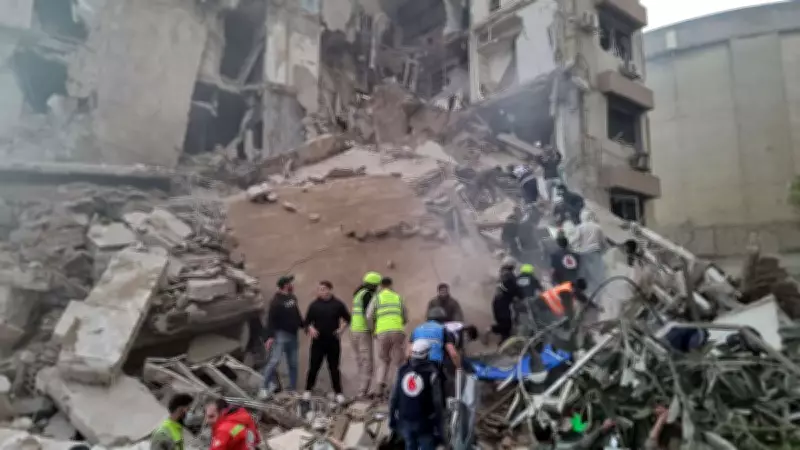
In a complex geopolitical twist, Lebanon has emerged as a pivotal obstacle in the fragile ceasefire negotiations between the United States and Iran. Analysts point to Lebanon's deep political and military ties with Iranian-backed groups, such as Hezbollah, which complicate diplomatic efforts. The country's internal instability and proxy influence have made it a stumbling block, as both sides struggle to address regional alliances that extend beyond direct bilateral issues.
Key factors include:

- Hezbollah's influence: As a major political and military force in Lebanon, Hezbollah's actions and Iran's support for it create indirect leverage in talks.
- Regional proxy dynamics: Lebanon serves as a theater for broader Middle Eastern conflicts, with Iran using it to project power.
- US strategic concerns: American policymakers view Lebanon's situation as integral to containing Iranian expansion, making concessions difficult.
Implications for US-Iran Diplomacy and Global Stability
The ongoing attacks in the Hormuz Strait and Lebanon's deal-breaking role underscore the fragility of US-Iran relations. Ceasefire talks, aimed at de-escalating tensions and preventing a wider war, are now at risk of stalling. Experts warn that without addressing Lebanon's complexities, any agreement may be short-lived, potentially leading to renewed hostilities and further disruptions in critical maritime routes.
This development highlights the interconnected nature of Middle Eastern conflicts, where local issues can have global repercussions. As negotiations continue, the international community watches closely, hoping for a breakthrough that balances regional interests with broader peace efforts.






