Hezbollah Joins Iran's Revenge Fury: Missiles and Rockets Strike Tel Aviv and Northern Israel
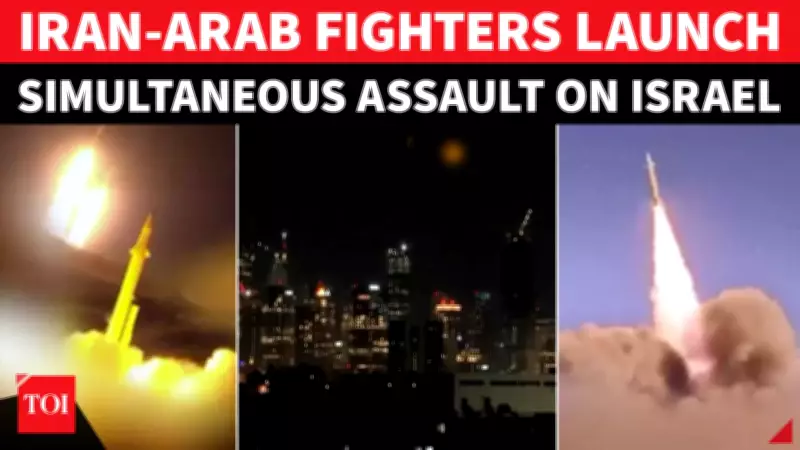
In a significant escalation of regional tensions, Iran and its ally Hezbollah have launched a simultaneous assault on Israeli cities, including Tel Aviv and Eilat. The attack, described by Israeli military officials as the fifth Iranian ballistic missile salvo of the day, occurred last night, triggering widespread sirens and causing injuries.
Details of the Coordinated Attack
The assault involved a barrage of missiles and rockets targeting multiple regions across Israel. In central Israel, a 32-year-old woman sustained light injuries from shrapnel during the latest missile strike, according to reports from Magen David Adom, Israel's national emergency medical service. She was treated at the scene, highlighting the immediate dangers posed by the offensive.
Sirens were activated not only in Tel Aviv but also in Beersheba and surrounding areas in southern Israel, as well as in northern regions and the southern city of Eilat. This widespread alert system indicates the broad scope of the attack, though medics have reported no additional injuries from the missile fire in these specific areas beyond the central Israel incident.

Military and Regional Context
The Israeli military has characterized this as part of an ongoing series of Iranian ballistic missile salvos, suggesting a sustained and calculated effort. Hezbollah's involvement marks a notable expansion of the conflict, as the Lebanese militant group has historically been a key proxy for Iran in regional disputes. This joint operation underscores the deepening alliance between Tehran and Hezbollah in their confrontations with Israel.
The attack comes amid heightened geopolitical friction in the Middle East, with previous incidents involving Iranian strikes on other targets, such as CENTCOM headquarters and U.S. facilities, though no loss of life was reported in those cases. The current assault on Israeli cities represents a direct and aggressive move, potentially in retaliation for perceived provocations or as part of a broader strategic campaign.
Impact and Response
Civilian Safety: The injury of the 32-year-old woman in central Israel serves as a stark reminder of the risks to civilian populations during such military engagements. Emergency services, including Magen David Adom, were quick to respond, but the incident raises concerns about the potential for more severe casualties in future escalations.
Regional Stability: This attack adds to the volatile security landscape in the Middle East, with implications for international diplomacy and conflict resolution efforts. The involvement of Hezbollah, a non-state actor with significant military capabilities, complicates the situation further, as it blurs the lines between state-sponsored and proxy warfare.
As tensions continue to simmer, the international community watches closely, with many calling for de-escalation to prevent a wider conflict. The coordinated nature of this assault suggests that Iran and Hezbollah are prepared to leverage their combined resources in what could be a prolonged standoff with Israel.