Easter Ceasefire Declared in Ukraine War: Putin Orders Truce, Zelensky Welcomes Pause
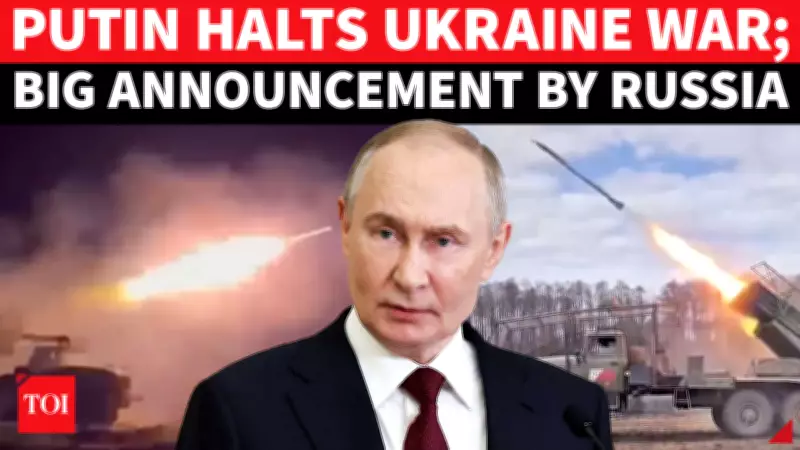
In a significant development amid the ongoing conflict, Russia has declared a temporary ceasefire for Orthodox Easter, with President Vladimir Putin ordering a halt to military operations. Ukrainian President Volodymyr Zelensky confirmed that Kyiv would follow the truce, while simultaneously urging for a longer and more sustainable path to peace.
A Brief Respite in a Prolonged Conflict
The announcement of this Easter ceasefire comes as the war enters its fifth year, marking a rare moment of potential de-escalation. However, the pause is shrouded in deep mistrust, given that previous ceasefires have often been violated by both sides. This historical context casts a shadow over the current truce, raising questions about its durability and sincerity.
The human cost of the war was starkly highlighted as both sides exchanged the bodies of fallen soldiers during this period. This somber exchange underscores the heavy toll the conflict has taken, with thousands of lives lost and families devastated. It serves as a poignant reminder of the urgent need for a lasting resolution.

Global Scrutiny and Skepticism
The world is watching closely to see whether this Easter ceasefire will become a real turning point or merely another brief pause in a prolonged and devastating war. International observers and diplomats are monitoring the situation with cautious optimism, but many remain skeptical due to the entrenched positions and repeated failures of past peace efforts.
Key aspects of the ceasefire include:
- Russia's unilateral declaration of a temporary halt to military operations.
- Ukraine's agreement to adhere to the truce, as confirmed by President Zelensky.
- The exchange of fallen soldiers' bodies, highlighting the war's human impact.
- Previous violations of ceasefires, which fuel ongoing mistrust.
Zelensky's Call for Lasting Peace
While welcoming the temporary halt in fighting, President Zelensky emphasized the need for a more comprehensive and enduring peace process. He urged international partners to support efforts aimed at achieving a sustainable resolution to the conflict, rather than relying on short-term pauses. This stance reflects Ukraine's broader strategy of seeking diplomatic and military support to end the war on favorable terms.
The Easter ceasefire, though temporary, offers a glimmer of hope for civilians caught in the crossfire and for those advocating for peace. However, with the war now in its fifth year, the path to a lasting settlement remains fraught with challenges, including geopolitical tensions, territorial disputes, and deep-seated animosities.
As the truce unfolds, the international community will be assessing its impact and longevity, hoping that this pause might pave the way for more substantive negotiations. Yet, given the complex dynamics at play, many experts warn against premature optimism, pointing to the need for verifiable commitments and concrete steps toward de-escalation.