Digital Warfare: How Memes Became Weapons in US-Iran-Israel Conflict
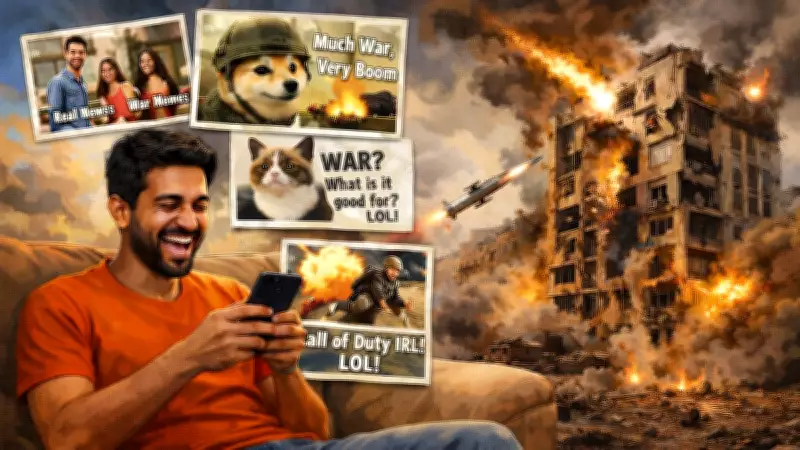
As geopolitical tensions between the United States, Iran, and Israel appear to be escalating again following a fragile ceasefire, a parallel battle is unfolding across digital platforms where memes and social media posts have transformed into unconventional weapons in modern information warfare.
The New Front: Social Media as Battlefield
While traditional military operations continue to dominate headlines, a sophisticated digital conflict has emerged where nations deploy humor, irony, and viral content to shape narratives and influence public perception. This phenomenon represents a significant evolution in how conflicts are waged in the 21st century, where psychological operations have migrated from traditional propaganda to the fast-paced world of social media engagement.
Official government accounts from multiple nations have embraced this approach, using platforms like X (formerly Twitter) to communicate strategic messages through carefully crafted visual content and text. The White House account, for instance, has posted striking images with captions like "STRIKE" and "Will not stop until the objectives are met. Unrelenting. Unapologetic," blending traditional military messaging with social media aesthetics.

Diplomatic Accounts Enter the Fray
Iranian diplomatic missions worldwide have been particularly active in this digital theater. The Iranian Embassy in South Africa posted a meme suggesting the United States had attempted to restrict their social media activity, accompanied by the message: "I heard that one of the 15 conditions set by the U.S. was that we should not publish posts. Don't worry, this condition was not accepted. Just4fun." This approach combines diplomatic messaging with internet culture, creating content that resonates with younger, digitally-native audiences.
Other Iranian diplomatic accounts have joined this effort, with the Consulate General in Mazar-e-Sharif posting Arabic text from the Quran alongside visual content, and the Embassy in Bulgaria sharing images referencing former President Donald Trump. These posts demonstrate how nations are adapting traditional diplomatic communication to the realities of digital engagement, where attention is currency and virality represents strategic advantage.
The Psychological Dimension of Modern Conflict
This development represents more than just nations adopting social media strategies—it signifies a fundamental shift in how psychological operations are conducted during periods of international tension. Memes, with their ability to convey complex ideas through simple, shareable formats, have become tools for shaping public opinion, projecting strength, and undermining opponents without traditional military escalation.
The timing of these digital operations coincides with renewed tensions in the Middle East, suggesting coordinated strategies that complement traditional diplomatic and military actions. By engaging in this form of digital warfare, nations can communicate directly with global audiences, bypass traditional media gatekeepers, and create narratives that support their strategic objectives.
Broader Implications for International Relations
As this trend continues to develop, it raises important questions about the future of international diplomacy and conflict. The normalization of memes as diplomatic tools blurs traditional boundaries between formal state communication and informal digital culture, creating new challenges for international relations professionals and policymakers.
This digital dimension of the US-Iran-Israel conflict demonstrates how modern warfare has expanded beyond physical battlefields to include information spaces where narratives are contested and public opinion is shaped through viral content. As nations continue to refine these strategies, the role of social media in international conflicts will likely become increasingly significant, requiring new frameworks for understanding and responding to this evolving form of digital engagement.