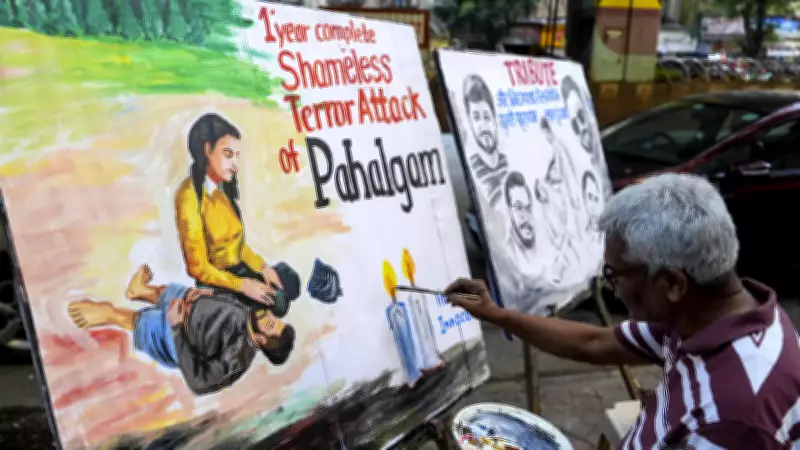
On 22 April 2025, India was shaken by the dastardly murder of 26 innocent civilians in Pahalgam. The attack, which targeted unarmed civilians, sparked outrage across the nation and prompted a swift response from the government and military. In the aftermath, various response options were deliberated, and simultaneously, higher levels of operational readiness were affected to prevent uncontrolled escalation. The situation demanded careful calibration to avoid a wider conflict while ensuring justice for the victims.
Operation Sindoor: A Decisive Response
Operation Sindoor, launched a fortnight after the attack, was a demonstration of decisive leadership backed by a capable military. The operation aimed to neutralize the perpetrators and send a strong message against terrorism. It involved coordinated efforts across multiple agencies and showcased India's resolve to protect its citizens. The success of the operation was widely praised, but it also raised questions about long-term security measures.
Could Such an Attack Happen Again?
Lt Gen MK Katiyar (Retd), a seasoned military strategist, warns that without sustained vigilance, similar tragedies could recur. He emphasizes that while Operation Sindoor was effective, it addressed only the immediate threat. The underlying vulnerabilities in intelligence gathering, border security, and counterterrorism infrastructure remain. He calls for a comprehensive review of security protocols to prevent future attacks.

The general also highlights the importance of international cooperation in combating terrorism. He notes that the Pahalgam attack had cross-border linkages, and any effective response must involve diplomatic and intelligence-sharing mechanisms. He urges the government to maintain pressure on state sponsors of terrorism and to strengthen legal frameworks to prosecute those involved.
Lessons Learned and the Way Forward
The Pahalgam tragedy and Operation Sindoor offer critical lessons for India's security establishment. First, the need for real-time intelligence and rapid response capabilities is paramount. Second, the importance of public resilience and trust in the armed forces cannot be overstated. Third, the operation demonstrated that measured force, when applied precisely, can achieve strategic objectives without escalating into a full-scale war.
Lt Gen Katiyar concludes that the question is not if another attack will happen, but when. He calls for a proactive rather than reactive approach, investing in technology, training, and community engagement to thwart threats before they materialize. The memory of the 26 innocent lives lost must serve as a constant reminder of the stakes involved.